
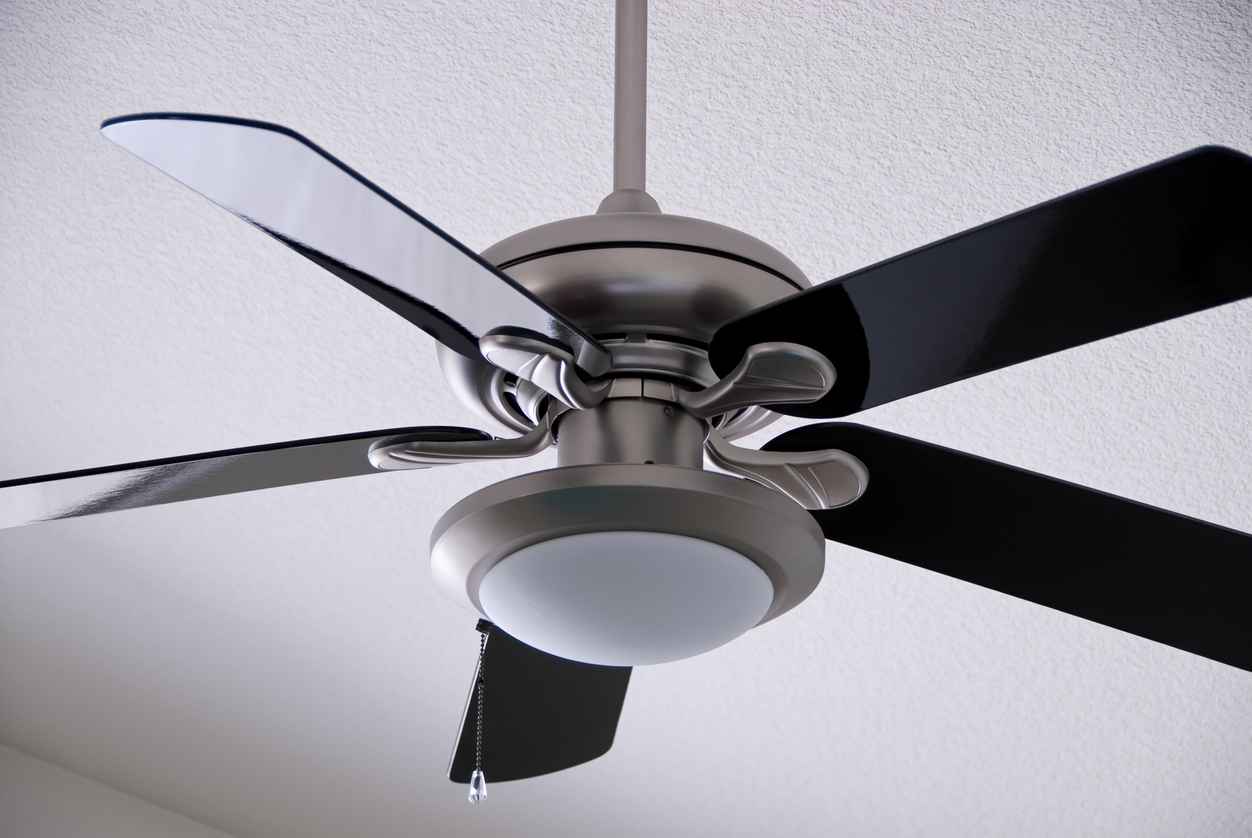
Ceiling Fan Wobble Fixes That Take Less Than Ten Minutes
A shaking fan has a way of making an entire room feel unfinished. Even when the air feels good, that little tremble above your head keeps pulling your eyes upward, especially in bedrooms, kitchens, and living rooms where Americans spend the most time trying to cool down without cranking the AC. A simple fan wobble fix usually starts with the parts you can reach, not the motor you fear is failing. Most of the time, the trouble comes from dust weight, loose screws, blade imbalance, or a crooked bracket that has been ignored for months. That is good news because you can often calm the fan before your coffee gets cold. For homeowners who like practical upgrades and smart maintenance habits, trusted home improvement resources such as reliable property care insights can help connect small fixes with bigger comfort wins. The trick is not guessing. The trick is checking the right thing in the right order, then stopping before you create a problem the fan never had.
Fast Checks That Tell You Where the Shake Starts
A fan rarely starts wobbling for one dramatic reason. It usually drifts out of balance slowly, then one hot afternoon you notice the whole fixture dancing like it has a secret. Before touching a screwdriver, you need to watch the motion for a few seconds and decide whether the problem looks like movement at the blades, the downrod, or the ceiling mount.
Why a Wobbling Ceiling Fan Usually Looks Worse Than It Is
A wobbling ceiling fan can look unsafe even when the cause is small. Dust buildup on one blade, a slightly loose blade arm, or one bent bracket can throw off the rotation enough to make the whole unit shake. The fan is spinning fast, so even a tiny weight difference gets exaggerated.
This is why panic wastes time. A fan that wobbles lightly on high speed but stays calm on low speed is often dealing with balance, not structural failure. You still should inspect it, but you do not need to assume the ceiling box is falling out unless the mount itself moves.
Start by turning the fan off and letting the blades stop on their own. Never grab a spinning blade to stop it faster. That quick move can bend a blade arm, loosen a screw, or make a small problem harder to track.
The Ten-Second Visual Test Before You Touch Anything
Stand a few feet away and look at the fan from the side while it runs on low speed. If the blades seem to travel in slightly different paths, you may have a fan blade alignment issue. One blade dipping lower than the others can pull the fan off rhythm with every turn.
Next, watch the canopy where the fan meets the ceiling. If that area shifts, clicks, or rocks, stop the fan and inspect the mounting hardware before doing anything else. A balanced blade set will not fix a loose ceiling connection.
A good real-world test is simple: switch from low to medium, then medium to high. If the shake grows with speed, blade balance is the likely suspect. If the entire fixture moves even at low speed, the mounting point deserves attention first.
A Fan Wobble Fix Starts With Cleaning and Tightening
Small maintenance beats complicated repair more often than people admit. The fan has been collecting dust, vibration, and air pressure for months, sometimes years. That steady wear loosens screws and adds uneven weight in places you barely notice from the floor.
How Ceiling Fan Balancing Begins With Dust Removal
Ceiling fan balancing often starts with a damp microfiber cloth, not a balancing kit. Dust does not land evenly across all blades. In many U.S. homes, especially rooms near kitchens, vents, or open windows, one blade can collect a heavier film than the others.
Clean the top and bottom of every blade from the center outward. Support each blade with your free hand so you do not press downward on the bracket. That small habit protects the blade arm from bending while you wipe.
Dry each blade before turning the fan back on. Moisture left on one blade can briefly change its weight, which makes your test useless. The goal is to remove uneven buildup, then see how the fan behaves when every blade starts from the same condition.
Why a Loose Fan Blade Can Shake the Whole Room
A loose fan blade does not need to look loose from the ground. One screw backed out by a few turns can create enough play to make the blade wobble as it spins. That movement spreads through the bracket, motor housing, and downrod.
Use the correct screwdriver and tighten the screws where each blade connects to its blade arm. Then tighten the screws where each blade arm connects to the motor. Do not over-tighten them. Snug is the goal because stripped holes create a worse repair.
Here is the counterintuitive part: the blade that looks most active may not be the guilty one. Vibration travels around the fan, so tighten every blade and bracket in the same pass. Skipping the calm-looking blade is how a five-minute fix turns into a half-hour guessing game.
Blade Position Matters More Than Most People Think
Once the fan is clean and tight, the next question is whether each blade sits in the same plane. A fan can have firm screws and still wobble if one blade sits slightly higher, lower, forward, or backward compared with the rest. The fan does not care that the difference is small. Rotation magnifies it.
How Fan Blade Alignment Changes the Spin
Fan blade alignment is about consistency. Every blade should travel around the motor at the same height and angle. When one blade sits lower, it catches air differently, and the fan starts pulling against itself with every rotation.
Measure from the ceiling to the tip of each blade using a yardstick or tape measure. Keep the measurement point the same for every blade. If one blade sits noticeably lower or higher, gently adjust the blade arm back toward the average position.
Avoid bending the wooden or composite blade itself. The metal blade arm is usually the part that needs slight correction. Move slowly because a heavy-handed adjustment can create a new imbalance that was not there before.
When a Blade Arm Needs a Small Correction
A blade arm can bend during cleaning, moving furniture, or brushing the fan with a ladder. In kids’ rooms and rental homes, it can also happen when someone hangs decorations from a blade. The bend may be subtle, but the fan will feel it.
Hold the blade arm near the motor and compare it with the others. If the angle looks off, apply gentle pressure in the opposite direction. Small corrections work better than one big push.
A practical example helps here. In a typical Dallas living room with an eight-foot ceiling, a blade tip sitting only a fraction lower than the others can create a visible shake on high speed. Fixing that height difference can calm the fan faster than adding weights too soon.
Balancing Kits Work Best After the Basics Are Done
A balancing kit is useful, but it should not be your first move. If the fan is dirty, loose, or misaligned, a kit only hides the real problem for a while. Once the basics are handled, those tiny clips and weights can finish the job with surprising accuracy.
How Ceiling Fan Balancing Kits Actually Work
Ceiling fan balancing kits usually include a plastic clip and adhesive weights. The clip lets you test weight placement without committing. Once you find the blade and location that reduces the shake, you replace the clip with a small stick-on weight.
Start by placing the clip halfway along one blade, then run the fan. Move blade by blade until the wobble improves. After you find the best blade, slide the clip closer to the tip or closer to the motor to fine-tune the result.
This feels tedious, but it is often faster than random adjustments. The clip gives you evidence. Guessing gives you frustration, and frustration is how people end up blaming the motor when the blade only needed a tiny counterweight.
Why Speed Settings Can Expose the Real Problem
A fan may behave well on low speed and wobble on high because higher speed increases the force of imbalance. That does not automatically mean the fan is dangerous. It means the weak point becomes easier to see when the motor spins harder.
Test every speed after using a balancing kit. A fan that looks stable on medium but shakes on high may need the weight moved slightly outward. A fan that shakes at every speed may still have a mounting or alignment issue.
The U.S. Department of Energy notes that ceiling fans can support home comfort when used correctly with air conditioning, but the fan still needs to run smoothly to feel worth using. A noisy, shaky fan makes people turn it off, which defeats the whole point of affordable air movement.
Mounting Problems Need a Different Kind of Attention
Some wobbles are not blade problems at all. When the ceiling connection moves, you are dealing with support, not balance. This is the line where a quick DIY check is still useful, but stubborn movement deserves a more serious repair.
When the Ceiling Bracket Is the Real Culprit
The ceiling bracket carries the fan’s weight and absorbs constant motion. If it loosens, the fan may rock from the top instead of fluttering at the blades. That kind of movement can look slower and heavier than a blade imbalance.
Turn off power at the switch before checking the canopy screws. If you are opening the canopy or inspecting wiring, turn off power at the breaker too. A fan is not worth taking electrical chances over.
Tighten accessible canopy and bracket screws according to the fan design. If the ceiling box shifts, looks cracked, or does not appear fan-rated, stop there. Many older U.S. homes have ceiling boxes meant for light fixtures, and a fan needs stronger support.
Why Older Homes Can Hide Fan Support Issues
Older houses often carry layers of past repairs. A previous owner may have swapped a light fixture for a fan without installing a rated fan box. The fan might run for years before vibration finally reveals the weak setup.
This is where the cheap fix is not always the smart fix. If the mount moves or the box feels unstable, a licensed electrician can confirm whether the fan is properly supported. That visit costs less than repairing ceiling damage after a fan pulls loose.
A useful next-step resource is a printed fan check card kept in a utility drawer. List the order: clean blades, tighten screws, measure blade height, test speeds, inspect mount. That small checklist keeps you from skipping straight to the wrong repair when the room is hot and patience is gone.
Conclusion
A steady fan does more than move air. It makes a room feel cared for, quiet, and safe enough to ignore, which is exactly what good home maintenance should do. The smartest fan wobble fix is not the most complicated one; it is the one that follows the evidence in front of you. Clean first. Tighten second. Check blade height third. Use a balancing kit only after the fan has earned that step. Then look at the mount with honest eyes.
Small problems become expensive when you chase them in the wrong order. A ten-minute check can save you from replacing a fan that only needed a screw tightened or a blade cleaned. It can also warn you when the issue belongs above the motor, where support and safety matter more than speed. Take one fan this week, run the checks, and make the room feel settled again.
Frequently Asked Questions
What causes a ceiling fan to wobble suddenly?
Dust buildup, loose blade screws, bent blade arms, or a shifted mounting bracket can cause sudden wobbling. The change may seem instant, but the problem often develops slowly until the fan reaches a speed where the imbalance becomes visible.
Can a wobbling ceiling fan fall from the ceiling?
A slightly unbalanced fan is not the same as a failing mount, but movement at the ceiling should be taken seriously. If the canopy or ceiling box shifts while the fan runs, turn it off and inspect the support before using it again.
How do I balance a ceiling fan without a kit?
Clean every blade, tighten all blade screws, and measure each blade tip from the ceiling. If one blade sits higher or lower, gently adjust the blade arm. Many fans improve before a balancing kit becomes necessary.
Are ceiling fan balancing kits worth buying?
They are worth using after cleaning, tightening, and alignment checks are done. A balancing kit can solve small weight differences between blades, but it will not properly fix loose hardware, a bent bracket, or an unsafe ceiling mount.
Why does my fan only wobble on high speed?
Higher speed magnifies small imbalances. A blade that is slightly dirty, loose, or misaligned may look fine on low speed but shake on high. Test each speed after every adjustment so you can see whether the problem is improving.
Should I keep using a ceiling fan that wobbles?
Light wobbling from blade imbalance can often be fixed quickly, but heavy rocking should not be ignored. Stop using the fan if the mount moves, the motor housing knocks, or the ceiling connection looks loose.
Can dust make a ceiling fan wobble?
Dust can absolutely make a fan wobble when it collects unevenly across the blades. Greasy dust near kitchens is especially common. Cleaning both sides of every blade often improves balance before any tools are needed.
When should I call an electrician for a wobbling fan?
Call an electrician if the ceiling box moves, the bracket feels loose, wiring is exposed, or the fan was installed where a light fixture used to be. Structural support and electrical safety are not the places to guess.