Essential Exterior Decor Tips for Better Curb Appeal
A home can lose its charm before anyone reaches the front door. Peeling trim, tired lighting, awkward planters, and a forgotten walkway quietly tell a story, even when the inside is spotless. Strong curb appeal is not about showing off or chasing every design trend that passes through social media. It is about making the outside of your home feel cared for, balanced, and easy to approach. The best exterior decor choices work because they guide the eye, soften hard edges, and give the property a sense of intention. For homeowners who want smarter visibility, better presentation, or even stronger local recognition, a polished exterior can work hand in hand with broader home and lifestyle branding efforts through a trusted digital visibility partner. The outside of a house does not need to be expensive to feel impressive. It needs discipline, restraint, and a clear idea of what deserves attention first.
Curb Appeal Starts With What People Notice First
The first glance is ruthless. A visitor, buyer, neighbor, or passerby reads your home in seconds, and they rarely notice the details in the order you want them to. They see proportion, cleanliness, contrast, and whether the entry feels welcoming or neglected. That is why the smartest improvements begin with the parts of the home that control the first impression before decoration even enters the picture.
Front Door Styling That Feels Intentional
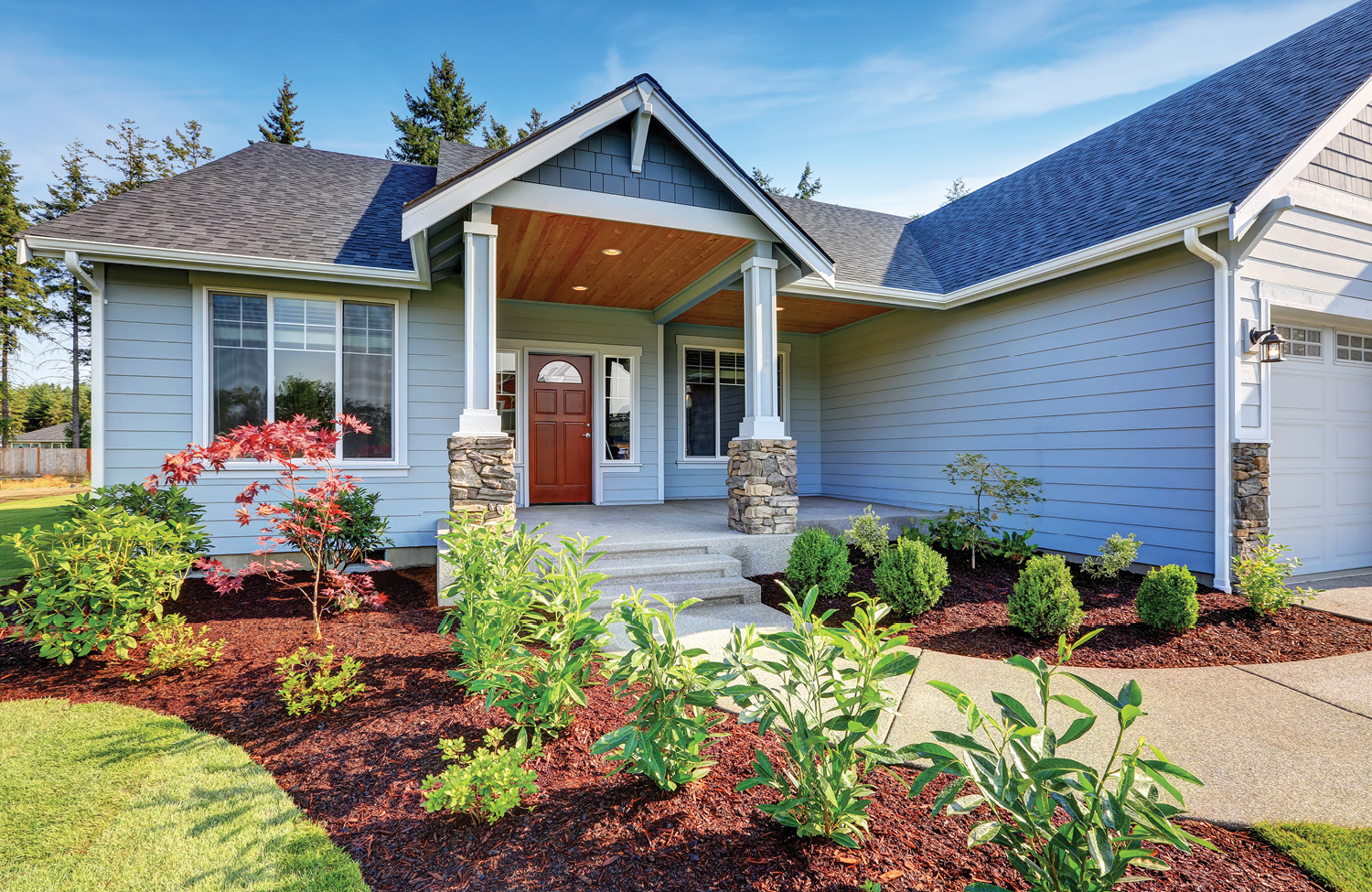
The front door carries more visual weight than most homeowners realize. It acts like the punctuation mark at the end of the walkway, so when it looks faded, cluttered, or mismatched, the whole exterior feels unfinished. A fresh coat of paint, clean hardware, and a simple seasonal wreath can change the mood without making the entrance feel staged.
Color matters, but not in the loud way people often think. A black, deep green, navy, warm wood, or muted red door can give the house identity while still respecting the siding, roof, and trim. The mistake is choosing a color because it looked good on another house. Your door color has to belong to your materials, not someone else’s Pinterest board.
Small details finish the story. House numbers should be easy to read, the doorbell should not look forgotten, and the welcome mat should be clean enough to deserve its place. Front door styling works best when every piece feels useful first and decorative second.
Exterior Lighting Ideas That Shape the Mood
Good lighting makes a house feel alive after sunset. Poor lighting makes even a well-kept exterior look flat, harsh, or unsafe. The goal is not to flood the property with brightness. The goal is to place light where people move, pause, and look.
Wall sconces near the entry should match the scale of the door, not the size of the catalog photo. Tiny fixtures beside a large door look timid, while oversized lanterns on a narrow porch can feel theatrical. Path lights, porch lights, and accent lighting should work together like a quiet guide, leading the eye instead of shouting for attention.
Warm bulbs usually create the most inviting effect. Cool white light can make siding look sterile and landscaping look harsh, especially at night. Well-placed exterior lighting ideas can make a modest home feel calm, safe, and finished before anyone steps inside.
Better Materials Make Simple Decor Look Expensive
Once the first impression feels controlled, the next layer is texture. A home does not need luxury materials everywhere, but it does need surfaces that look cared for and visually steady. Cheap-looking finishes, cracked pots, plastic-heavy accents, and mismatched metals can weaken the whole exterior faster than an outdated paint color. This is where restraint becomes a design skill.
Outdoor Decor Ideas That Avoid Clutter
Outdoor decor ideas should support the architecture, not compete with it. A pair of large planters usually looks stronger than six small pots scattered across the porch. One sturdy bench can feel more inviting than a crowd of decorative objects that leave no room to sit.
Scale is the hidden rule behind most polished exteriors. Small accessories often look nervous outside because the open air swallows them. Larger pieces with cleaner lines tend to hold their ground against siding, stone, brick, and wide porch spaces.
The counterintuitive truth is that fewer items can make a house look more designed. When you remove weak pieces, the better ones finally have room to matter. A clean porch with two planters, a sharp light fixture, and a strong door often beats a porch packed with signs, baskets, lanterns, and seasonal props.
Home Exterior Design Choices That Age Well
Home exterior design gets expensive when every choice is tied to a passing trend. Black-framed accents, bold contrast trim, and oversized planters can look beautiful, but only when they fit the house. Forced style ages fast because it never belonged there in the first place.
Materials with honest texture usually last longer visually. Wood, stone, metal, clay, and quality composite finishes bring depth that thin plastic decor cannot copy. A matte planter, a brushed metal fixture, or a simple wood bench can make the exterior feel grounded without begging for attention.
You should also match the mood of the neighborhood without disappearing into it. A home can stand out through care, proportion, and detail instead of loud color or novelty. The strongest home exterior design choices feel personal, but they do not fight the street they live on.
Landscaping Frames the House Better Than Decor Alone
Decor can only do so much when the landscaping feels tired or random. Plants, edging, mulch, stone, and lawn shape the way people read the house from the curb. A beautiful porch loses power when the shrubs are overgrown, the walkway is half-hidden, or the beds look like they were planted in separate years by separate people with separate moods.
Front Yard Landscaping With Clear Edges
Front yard landscaping does not need to be elaborate to look refined. Clean edges around beds, trimmed shrubs, and healthy ground cover can create more order than a dozen new plants. The eye trusts a landscape when it understands where one area ends and another begins.
Layering creates depth. Taller shrubs near blank walls, medium plants near porch edges, and lower flowers or grasses along the front can make the house feel settled into the land. Flat rows of identical plants can work for formal homes, but many properties need softer movement to avoid looking stiff.
Maintenance decides whether the design succeeds. A simple bed that stays neat will always beat a complex planting scheme that turns wild by midsummer. Front yard landscaping should make your life easier, not create another guilt project you avoid every weekend.
Walkways, Borders, and the Quiet Power of Direction
A walkway tells people how to approach your home. When it is cracked, narrow, hidden, or poorly lit, guests feel the hesitation before they understand why. A clear path creates comfort because it removes uncertainty.
Borders matter more than most people expect. Stone edging, brick lines, low hedges, or even crisp trench edges can make a basic walkway feel deliberate. The path does not have to be grand. It has to feel cared for and visually connected to the entrance.
There is also a practical side to direction. People should not have to cut across grass, dodge planters, or step around puddles to reach the door. When the route feels easy, the whole property feels more welcoming.
Finishing Details Decide Whether the Look Holds Together
After the big pieces are in place, the final test is consistency. This is where many homes fall short. The owner paints the door, adds plants, updates a light, and still wonders why the exterior feels off. Usually, the problem is not one bad choice. It is a group of small choices that do not speak the same language.
Porch Decor That Works Through More Than One Season
Porch decor should not need a complete reset every few weeks to look current. Seasonal touches can be charming, but the base layer should work year-round. Think durable planters, clean seating, strong lighting, and a restrained color palette that can handle small changes without collapsing.
A smart porch has anchors and accents. The anchors stay: furniture, pots, lighting, hardware, and rugs. The accents change: flowers, wreaths, cushions, or a small holiday detail. This keeps the space fresh without turning it into a storage problem.
Porch decor also has to respect movement. A beautiful chair that blocks the door is not beautiful in practice. A planter that forces guests to sidestep every time they enter is not charming. The best exterior choices look good because they work well first.
Small Repairs That Make Everything Look Cleaner
Minor damage has a loud voice outside. Chipped paint, crooked gutters, rusty railings, loose shutters, and stained concrete can make new decor look like a distraction. Fixing these flaws often does more for curb appeal than buying another accessory.
Cleaning should come before adding. Wash the siding, sweep the porch, clear cobwebs from light fixtures, rinse the walkway, and remove dead leaves from corners. Dirt has a way of making every design choice look cheaper than it is.
One overlooked repair can ruin the whole effect. A fresh wreath will not save a door with scratched paint. New planters will not hide a broken step. Strong exterior decor works when the home underneath it looks ready to receive attention.
Conclusion
A better-looking exterior begins with honesty. You have to see the house as others see it, not as you remember it on the day you moved in or the day you last made an upgrade. The strongest homes do not rely on excess. They rely on clean lines, healthy landscaping, useful lighting, and decor that respects the architecture. That is where curb appeal becomes more than surface beauty; it becomes a signal that the home is cared for in every direction. Start with the first thing people notice, remove anything that weakens the view, and choose each detail with purpose. Your next step is simple: stand at the curb tomorrow, take one clear photo of your home, and fix the first three things your eye cannot forgive.
Frequently Asked Questions
What are the best exterior decor tips for small homes?
Focus on scale, clarity, and clean entry details. Use one strong door color, two larger planters, visible house numbers, and warm lighting. Small homes look better when the exterior feels edited, not crowded with tiny decorations.
How can I improve curb appeal on a tight budget?
Clean first, repair second, decorate last. Wash siding, trim shrubs, repaint the front door, replace worn hardware, and refresh mulch. These low-cost changes often create a bigger visual shift than buying new furniture or decorative pieces.
What outdoor decor ideas make a front porch look expensive?
Choose fewer pieces with better scale. Large planters, a quality doormat, matching light fixtures, and simple seating can make a porch feel polished. Avoid clutter, flimsy materials, and too many seasonal signs competing for attention.
Which front yard landscaping changes help curb appeal fastest?
Define bed edges, trim overgrown plants, add fresh mulch, and remove anything dead or crowded. Clear structure makes the yard look cared for right away. Healthy greenery and clean borders usually beat complicated planting plans.
What exterior lighting ideas work best for entryways?
Use warm, balanced lighting around the front door, steps, and walkway. Fixtures should match the size of the entry and provide enough light for safety without glare. Soft path lights can guide visitors while making the home feel welcoming.
How often should porch decor be updated?
Keep the main pieces stable throughout the year and change smaller accents by season. Planters, seating, rugs, and lighting should last beyond trends. Flowers, cushions, or wreaths can shift without making the porch feel overdecorated.
What home exterior design mistakes should I avoid?
Avoid mismatched metals, undersized fixtures, too many small decorations, and trend choices that clash with the house style. The exterior should feel connected from roofline to walkway. Random upgrades rarely create a polished look.
Can exterior decor increase home value?
Strong exterior presentation can improve buyer interest and perceived care. Clean landscaping, fresh paint, updated lighting, and a welcoming entry help a property feel better maintained. While decor alone does not set value, it can influence first impressions fast.