Best Exterior Trends for Modern House Style
A home’s exterior can either age the whole property overnight or make it feel quietly expensive before anyone steps inside. That first impression is no small thing, especially when modern house style has moved far beyond plain white walls, oversized windows, and a tidy lawn. Homeowners now want exteriors that feel personal, efficient, calm, and built for real life rather than staged for a passing glance. The best choices work because they balance beauty with discipline: clean lines, honest materials, strong lighting, and outdoor areas that feel usable instead of decorative. For homeowners, designers, and builders thinking about visibility, presentation, or brand growth, a thoughtful home design strategy can also shape how a property is seen and remembered. The strongest exterior decisions do not shout. They create order, warmth, and confidence from the street, then keep rewarding you every time you come home.
Exterior Trends That Make Modern House Style Feel Intentional
Strong exterior design starts with restraint, not excess. Many homes fail because every surface tries to compete: bold paint, busy stone, oversized fixtures, decorative railings, and landscaping all fighting for attention. The better path is sharper. Choose fewer moves, make them stronger, and let the house breathe. That is where exterior trends become useful, not as a checklist, but as a filter for what deserves space on your home.
Clean Facades with One Clear Focal Point
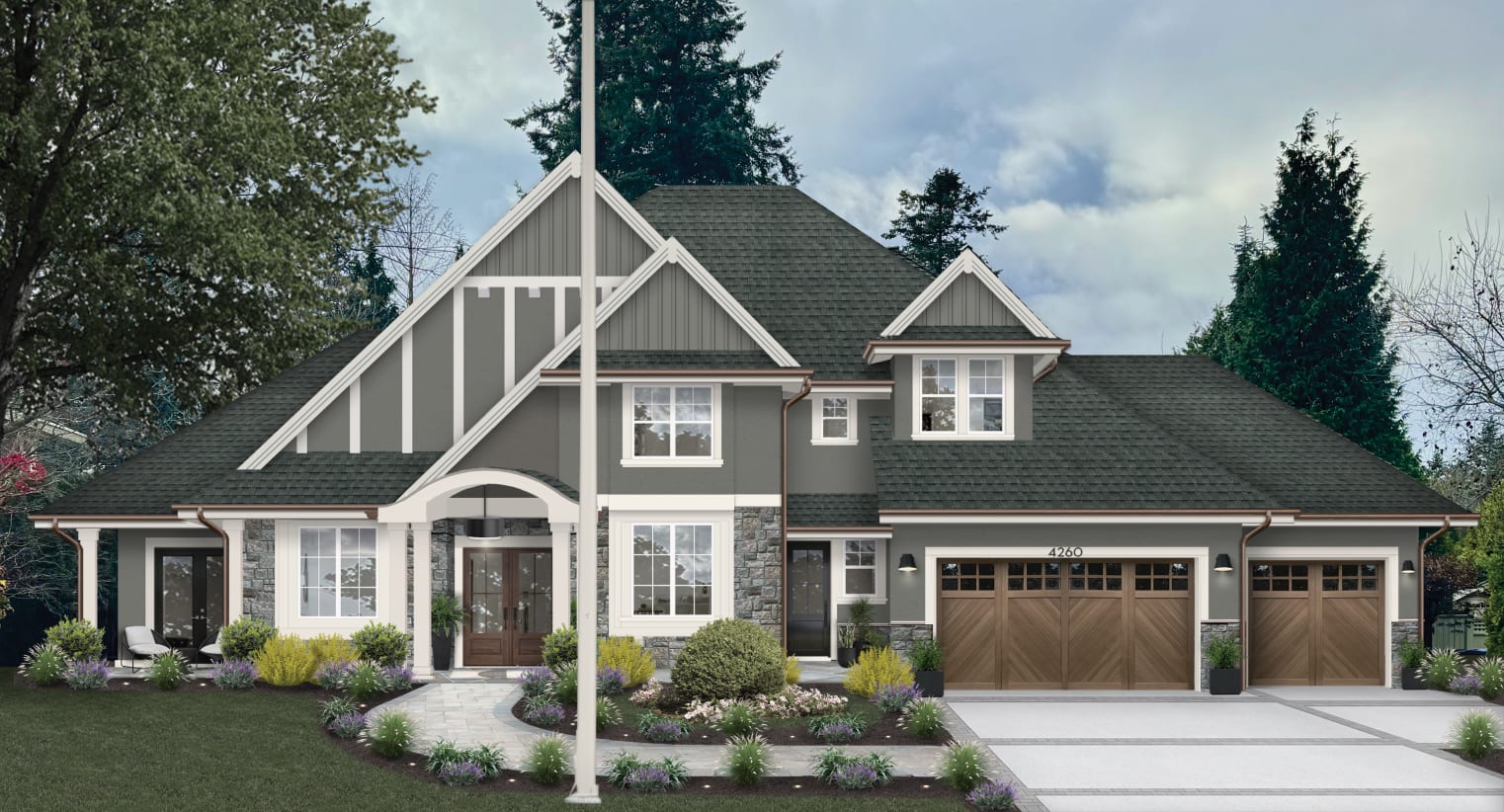
A modern facade works best when the eye knows where to land. That focal point might be a deep-set front door, a textured wall section, a sculptural porch frame, or a dramatic vertical window. Without that anchor, even an expensive exterior can feel scattered, like someone bought good materials without giving them a job.
The smartest homes use contrast with discipline. A pale stucco wall beside warm timber cladding feels calm because each material has room to speak. A dark front door set into a soft neutral facade gives the entry weight without turning the whole elevation into a costume. One bold move usually beats five mild ones.
This is where many homeowners get nervous. They add trim, extra lights, patterned tiles, or decorative panels because the first version feels too quiet. Quiet is not the problem. Confusion is. A clean facade with one strong focal point feels finished because it respects the viewer’s attention.
Mixed Materials That Look Chosen, Not Collected
Material mixing can make a home feel rich, but only when the palette has a clear rule. Stone, wood, metal, glass, brick, and render can work together, yet they need a shared tone or purpose. A house that uses random finishes across every plane starts looking less designed and more patched together.
A useful test is simple: each material should explain why it is there. Stone can ground the base of the house. Wood can soften an entry. Metal can sharpen rooflines or railings. Glass can open the structure toward light. When every finish has a role, the result feels composed instead of busy.
Modern exterior design often leans on natural texture because it ages better than glossy novelty. Fiber cement panels, stained timber, limewash brick, and matte metal all bring depth without begging for attention. That matters because outdoor surfaces face sun, dust, rain, and time. Flashy finishes rarely age with grace.
Color Choices That Shape Curb Appeal Before Details Matter
Color carries the first emotional signal of a house. Before someone notices the door handle, walkway, or window trim, they feel the palette. This is why curb appeal often rises or falls on color long before budget enters the conversation. A modest home with a settled palette can look more refined than a large home wearing the wrong shade.
Warm Neutrals for Modern Exterior Design
Warm neutrals have replaced cold whites in many current homes because they feel more livable. Soft sand, mushroom, clay, greige, warm ivory, and muted taupe sit better in natural light than stark white, especially in sunny climates. They reduce glare and make the house feel calmer from the street.
The trick is avoiding flatness. A warm neutral exterior needs depth through texture, shadow, or trim contrast. Smooth walls beside ribbed wood, soft stone, or matte black frames can create enough movement without adding loud color. The result feels mature, not plain.
Modern exterior design benefits from colors that shift slightly throughout the day. A wall that looks creamy in morning light and warmer at sunset gives the house life without repainting it every season. That subtle change is underrated. Homes should have moods, not gimmicks.
Dark Accents That Add Weight Without Making the House Heavy
Dark accents give a home structure. Black window frames, charcoal gutters, bronze lighting, deep green doors, and dark metal railings can outline the architecture in a way pale details cannot. They make edges sharper and help the exterior feel grounded.
Too much darkness, though, can flatten a house. An all-black facade may photograph well, but it can feel harsh in daily life, especially in hot regions or tight neighborhoods. The better move is placement. Use dark tones where you want definition, not everywhere you have a surface.
A real-world example is a light beige home with black-framed windows and a dark timber door. The home feels current, but it still welcomes people. That balance matters. Curb appeal depends on invitation as much as impact.
Outdoor Spaces That Extend the Home Instead of Decorating It
The outside of a home no longer stops at the front wall. Porches, patios, balconies, side yards, and entry paths now carry part of the living experience. That shift has changed how homeowners think about exterior upgrades. The goal is not only to make the house look better, but to make the edge between indoors and outdoors feel useful.
Covered Entries That Feel Practical and Polished
A covered entry does more than protect guests from rain. It gives the house a pause point, a small moment of arrival before the door opens. That pause matters because it makes the home feel considered. A flat wall with a door can look cold, even if the materials are expensive.
The best covered entries use proportion wisely. A small canopy can suit a compact home, while a deeper recessed porch can give a larger facade the shadow it needs. Lighting, house numbers, a bench, or a planter can support the entry, but none of them should steal the role from the architecture.
This is one of the simplest places to improve a home exterior without changing the whole property. A better entry light, a stronger door color, and a cleaner pathway can change the way the house feels in one weekend. Small choices become powerful when they sit at the point people actually use.
Patios and Side Yards Designed for Daily Living
Outdoor space should earn its square footage. A patio that only looks good from a real estate photo is not enough anymore. People want places for morning coffee, late dinners, muddy shoes, pets, children, plants, and quiet after work. The best designs accept that life is imperfect and plan for it.
Flooring plays a major role here. Large pavers, gravel grids, concrete slabs, and textured tiles can define an outdoor zone without building walls. When these surfaces align with indoor flooring tones, the transition feels natural. The home seems larger because the eye reads the outside as part of the plan.
Side yards deserve more attention than they get. A narrow strip can become a service path, herb garden, shaded sitting area, or storage zone hidden behind clean screening. Wasted outdoor space is usually not a space problem. It is an imagination problem.
Details That Make Exterior Updates Last Beyond a Trend Cycle
Trends come and go, but details decide whether a home still looks good five years later. Hardware, lighting, landscaping, roof edges, drainage, and maintenance choices may not sound glamorous, yet they carry the finish. This is where a stylish exterior becomes a durable one.
Exterior Lighting That Adds Shape After Sunset
Good lighting changes a house twice a day. In daylight, the architecture does most of the work. After sunset, lighting decides whether the property feels safe, warm, dramatic, or forgotten. Too many homes rely on one harsh porch light and wonder why the exterior looks flat at night.
Layered lighting works better. Wall sconces can mark the entry, path lights can guide movement, uplights can frame trees, and low fixtures can soften steps or garden edges. The aim is not to flood the house with brightness. Shadows are part of the design.
A common mistake is choosing fixtures that look stylish online but feel undersized on the wall. Exterior lights need scale. A tiny sconce beside a tall door looks timid, while a properly sized fixture gives the entry confidence. Measure before buying. Guessing usually costs more.
Low-Maintenance Landscaping with Architectural Discipline
Landscaping should support the house, not smother it. Overgrown shrubs, mismatched pots, and fussy flower beds can make even a sharp exterior feel tired. Cleaner planting plans often look more expensive because they create rhythm and space.
Architectural planting uses shape first and color second. Think clipped hedges, ornamental grasses, olive trees, native shrubs, layered ground cover, or large planters placed with purpose. Seasonal flowers can still appear, but they should act as accents rather than the whole story.
The counterintuitive truth is that less planting can feel greener when it is arranged well. A few strong masses of plants beside a clean path often beat a crowded border full of competing textures. Maintenance drops, watering becomes easier, and the house gains breathing room.
Conclusion
Exterior design works best when it stops chasing applause and starts building trust. A house should tell you what it is from the street: calm, confident, practical, warm, private, open, or refined. That clarity comes from decisions that respect proportion, climate, materials, and daily habits. Modern house style is not about copying a showroom image or flattening every home into the same black-and-white box. It is about choosing what serves the property, then removing what weakens it. Start with the one area people touch and see most often: the entry. Fix the lighting, simplify the palette, clean up the path, and give the door a stronger presence. Once that feels right, the rest of the exterior becomes easier to judge. Design the outside of your home like it has to welcome you every single day, because it does.
Frequently Asked Questions
What are the best exterior trends for a modern home?
The best choices include warm neutral palettes, natural textures, clean facades, dark accents, covered entries, and layered exterior lighting. These updates work because they improve both appearance and daily use, rather than adding decoration that may feel dated quickly.
How can I improve curb appeal on a small budget?
Start with paint touch-ups, a cleaner entry path, updated house numbers, better porch lighting, and trimmed landscaping. These changes cost less than major construction but can make the home feel cared for, sharper, and more welcoming from the street.
Which exterior colors work best for modern houses?
Warm whites, greige, taupe, clay, charcoal, muted green, and soft beige work well for many modern homes. The strongest palette usually pairs one calm main color with one deeper accent, then lets texture add depth.
How do I make my house exterior look more expensive?
Reduce visual clutter first. Match metals, simplify planting, choose larger light fixtures, repaint tired trim, and create one strong focal point at the entry. Expensive-looking homes usually feel controlled, not crowded.
Are dark exterior accents still popular for houses?
Dark accents remain popular because they define windows, doors, railings, and rooflines with confidence. The key is balance. Use dark tones to frame and ground the home, not to cover every surface without relief.
What materials are best for modern exterior design?
Timber, stone, fiber cement, brick, matte metal, textured render, and glass can all work well. The best material choice depends on climate, maintenance needs, budget, and how each finish supports the overall shape of the house.
How can outdoor lighting improve a home exterior?
Outdoor lighting adds safety, depth, and evening character. Entry sconces, path lights, step lights, and soft landscape lighting help the house feel finished after sunset without making the property look overlit or harsh.
What is the easiest exterior update for better house style?
The easiest high-impact update is improving the front entry. A better door color, clean hardware, strong lighting, fresh planters, and a clear path can shift the whole mood of the home without major renovation.