Ultimate Exterior Guide for Modern Home Appeal
A home’s outside speaks before the front door ever opens. It tells guests, neighbors, buyers, and even you whether the place feels cared for or forgotten. Strong home appeal does not come from one expensive upgrade or a dramatic makeover; it comes from a series of choices that make the exterior feel intentional, current, and lived-in. The best houses do not shout for attention. They hold it.
That matters because outdoor design has become part of daily life, not a decorative afterthought. People want entries that feel welcoming after a long day, patios that work beyond summer weekends, and façades that look clean without feeling cold. A polished exterior also supports stronger property value, but the deeper reward is simpler: you enjoy coming home more.
For broader visibility around property, lifestyle, and brand presence, many homeowners and design-focused businesses also pay attention to how a polished public image is shaped through trusted digital exposure. The same idea applies to your house. What people see first shapes what they believe next.
Modern Home Appeal Starts with a Clear Exterior Identity
A strong exterior begins when the house stops trying to be everything at once. Many homes look unfinished not because they lack money, but because they lack a point of view. A black front door, pale stone path, coastal lanterns, farmhouse railing, and ultra-modern planters can each look good alone, yet together they create visual noise. The first move is not buying more. It is choosing what the house wants to be.
Choose a Style Direction Before Choosing Materials
Good exterior design has a quiet backbone. Before paint, lighting, plants, or furniture enter the picture, you need a style direction that suits the architecture already standing there. A low ranch home may look better with horizontal lines, warm wood, and grounded planting than with tall columns that pretend it belongs somewhere else.
This is where many homeowners make the wrong turn. They collect ideas from houses with different rooflines, climates, lot sizes, and ages, then feel frustrated when the result looks patched together. A modern cottage, a clean suburban façade, and a sharp urban townhouse do not solve the same design problem.
A practical test helps. Stand across the street and name the house in two words: calm contemporary, warm minimal, classic natural, refined rustic. If the words feel vague, the design probably is too. Once the direction is clear, every later choice has a filter.
Let the Architecture Lead the Design
The house already tells you what it can carry. Window shape, roof pitch, siding rhythm, porch depth, and garage placement all set boundaries. Fighting those boundaries usually creates a home that looks dressed for someone else’s party.
A flat-front home with few details often benefits from contrast, layered landscaping, and strong lighting because the surface needs depth. A home with brick, trim, shutters, or a deep porch may need restraint because it already has texture. The counterintuitive truth is that some homes look more expensive after you remove features, not add them.
One example is a brick house with busy shutters, ornate lamps, patterned pavers, and several plant colors near the entrance. Removing the shutters, simplifying the porch light, and choosing one calmer walkway material can make the brick look richer. Editing is design discipline in plain clothes.
Color, Texture, and Light Shape the First Impression
Once the exterior identity is clear, the surface choices begin to carry more weight. Color, texture, and light decide whether the house feels flat, harsh, warm, dated, or carefully finished. These elements work together, and when one is off, the whole exterior feels slightly wrong even if you cannot name the problem.
Use Exterior Color Like a Frame, Not a Costume
Exterior color should support the home’s shape instead of hiding it under personality. A fresh color scheme can change everything, but the best palettes usually stay tighter than people expect. Two main tones and one accent often beat five competing shades.
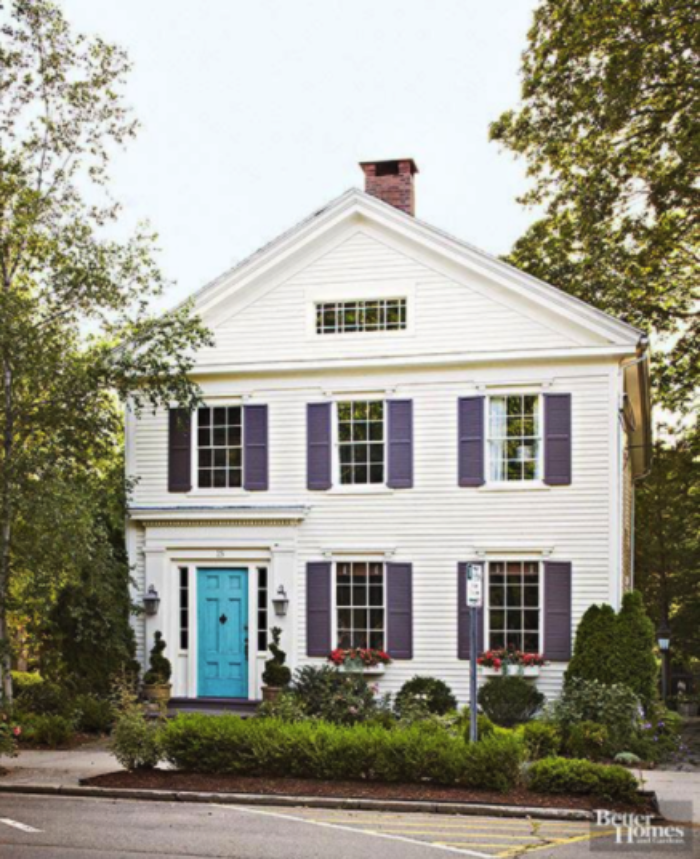
A charcoal door can sharpen a pale exterior. A soft white trim can lift deep siding. Warm taupe can calm red brick that feels too loud. The trick is to test color outside, at different times of day, because sunlight changes paint more than any sample card admits.
A common mistake is choosing a color because it looked stunning online. Screens flatten context. Your roof color, driveway tone, neighboring homes, tree cover, and local light all affect the result. The right exterior color looks good at noon and still feels right at dusk.
Add Texture Where the Eye Needs to Rest
Texture gives the outside of a home a sense of depth. Smooth siding, glass, metal, brick, stone, wood, gravel, and planting each catch light in a different way. A house with only flat surfaces can feel plain even when the colors are tasteful.
The goal is not to cover the façade with materials. That can look expensive in the wrong way. A stone base, wood porch ceiling, ribbed planter, gravel border, or woven outdoor chair can add enough texture to keep the eye engaged without turning the exterior into a sample wall.
Lighting makes texture matter after dark. A low wash of light across stone, a soft glow under a porch roof, or a path light near ornamental grass can reveal depth that disappears at night. Good lighting does not flood the house. It lets the best parts breathe.
Entryways, Paths, and Landscaping Create the Human Welcome
A beautiful exterior can still feel cold if the approach to the door feels awkward. The front path, porch, steps, plants, and entry details shape the moment when someone moves from public space to private space. That transition is emotional. You feel it before you think about it.
Design the Front Path as a Guided Arrival
A front path should do more than connect pavement to porch. It should guide movement with confidence. Straight paths feel formal and efficient, while gentle curves feel relaxed and garden-like. Neither is better by default; the right one depends on the house and lot.
Scale matters more than most people realize. A narrow path leading to a broad home can feel stingy. A wide walkway with no planting can feel exposed. Even a modest home gains presence when the approach feels generous enough for two people to walk side by side.
Materials should also match the tone of the house. Concrete can feel crisp and modern when edged well. Brick can soften a traditional exterior. Large stone slabs can create a grounded, natural rhythm. A path is not only a route; it is the opening sentence of the visit.
Use Landscaping to Frame, Not Hide
Landscaping should reveal the house at its best. Overgrown shrubs pressed against windows do not look lush; they look like the home is retreating behind them. Strong planting frames sightlines, softens hard edges, and gives the exterior seasonal movement.
A simple layered plan works better than scattered plants. Low groundcovers near the path, medium shrubs near the foundation, and one or two taller anchors near corners can create structure without clutter. Repetition helps the yard feel composed rather than random.
The unexpected move is leaving some breathing room. Bare space in a garden is not failure. Mulch, gravel, lawn, or clean edging can give the eye a pause between plants. Without those pauses, even expensive landscaping turns into a green blur.
Outdoor Living Details Finish the Exterior Story
After the façade, entry, and landscape are working, the final layer decides whether the home feels usable. Outdoor seating, privacy, shade, storage, and maintenance choices give the exterior a sense of real life. A house should not only look good from the curb. It should work when you step outside with coffee, groceries, kids, guests, or a tired brain.
Build Outdoor Zones That Match Real Habits
Outdoor spaces fail when they copy showroom habits instead of household habits. A large dining set looks impressive, but it wastes space if you mostly sit outside with one drink after work. A small bench under the right tree may serve you more often than a full patio arrangement.
Think in zones. A front porch might need one chair, a slim table, and a good light. A side yard might become a narrow herb strip or bike storage lane. A backyard corner might become a reading spot with shade instead of a formal entertaining area used twice a year.
The best outdoor zones answer a real behavior. Where do you pause when you come home? Where does morning sun land? Where do guests naturally gather? Design from those moments, and the exterior stops feeling staged.
Keep Maintenance Visible in the Design Plan
Maintenance is not the enemy of beauty. Ignoring it is. A gorgeous exterior that demands constant trimming, staining, scrubbing, or seasonal replacement will start to lose the fight the first time life gets busy.
Choose finishes and plants with your actual schedule in mind. Powder-coated metal, composite decking, native planting, gravel borders, and washable outdoor fabrics can keep the space looking cared for with less strain. That does not mean everything must be plain. It means beauty needs a maintenance budget, whether that budget is money, time, or attention.
Small routines protect the larger design. Rinse the porch monthly, trim plants before they swallow edges, refresh mulch before it fades into dust, and replace broken lighting quickly. Neglect announces itself fast outside. Care does too.
Conclusion
The strongest exteriors are not built from random upgrades. They come from decisions that respect the house, the setting, and the way you actually live. Paint can sharpen the mood, lighting can add depth, landscaping can guide the eye, and outdoor zones can make the space useful beyond appearances. Still, the real difference comes from discipline. You choose a direction, remove what fights it, and keep improving the details that support it.
That is the heart of home appeal: not perfection, but coherence. A well-designed exterior feels calm because every visible choice belongs. It does not need to chase every trend or copy the most expensive house on the block. It needs to look cared for, confident, and honest to its own structure.
Start with one walk across the street, one clear style direction, and one upgrade that makes the first impression stronger. A better exterior begins the moment you stop decorating pieces and start designing the whole welcome.
Frequently Asked Questions
How can I improve modern home appeal on a budget?
Start with the areas people notice first: front door paint, porch lighting, house numbers, edging, and clean planting beds. These changes cost less than major construction but create a sharper first impression. Remove clutter before buying anything, because a cleaner exterior often looks upgraded immediately.
What exterior colors work best for a modern home?
Warm whites, soft grays, charcoal, muted greens, taupe, and deep navy work well when they suit the roof and surrounding materials. The best choice depends on natural light, siding texture, and existing stone or brick. Always test large samples outdoors before committing.
How do I make my front entrance look more welcoming?
Improve the path, lighting, door hardware, and planting around the entrance. A clear walkway, balanced planters, visible house numbers, and warm porch light make the entry feel intentional. Avoid crowding the door with too many decorations, because clutter weakens the welcome.
What landscaping adds the most curb appeal?
Layered landscaping creates the strongest effect. Use low plants near walkways, medium shrubs near the house, and taller accents at corners or focal points. Repeating a few plant types gives the yard order, while seasonal color adds life without making the design look busy.
Are exterior upgrades worth it before selling a home?
Exterior upgrades often help because buyers judge care before they step inside. Fresh paint, clean paths, trimmed plants, working lights, and a polished entry can make the whole property feel better maintained. Focus on visible repairs and simple improvements rather than personal design statements.
How can outdoor lighting improve a home exterior?
Outdoor lighting adds safety, depth, and atmosphere after sunset. Path lights guide movement, porch lights welcome guests, and soft wall lighting highlights texture. Avoid harsh floodlights near the entry, because they flatten the home and make the exterior feel less inviting.
What is the easiest way to modernize an older exterior?
Remove dated details first, then simplify the color palette and update visible fixtures. New house numbers, cleaner lighting, fresh trim paint, and restrained landscaping can modernize an older home without erasing its character. The goal is refinement, not forcing a trendy look.
How often should I update my home’s exterior design?
Review the exterior once or twice a year, especially after harsh weather seasons. Paint, lighting, plants, and hardware age at different speeds, so small updates prevent the house from looking tired. A full redesign is rarely needed when regular care stays consistent.