Top Exterior Design Ideas for a Beautiful Home
A house can look expensive before anyone knows its size, price, or floor plan. The first read happens from the street, and Exterior Design Ideas matter because they shape that first judgment before the front door ever opens. A beautiful home exterior is not built from one bold choice; it comes from dozens of smaller decisions that feel calm, balanced, and intentional together. Color, texture, light, planting, scale, and entry details all speak at once. When they argue, the home feels tired. When they agree, the whole property feels cared for. That is why homeowners, designers, and even brand-focused property professionals pay attention to visible presentation through resources like trusted home improvement visibility when thinking about how a place is seen. Strong home exterior design does more than make a house prettier. It gives the home identity, adds comfort, supports curb appeal, and turns everyday arrival into something that feels quietly satisfying.
Exterior Design Ideas That Start With Shape, Balance, and First Impressions
The strongest exteriors rarely begin with decoration. They begin with proportion. Before paint colors, porch chairs, planters, or lights enter the picture, the bones of the house need to feel balanced from a distance. A narrow entry can disappear on a wide facade. A tiny lantern can look nervous beside a heavy front door. A bold garage can steal attention from the living spaces. Good home exterior design starts by deciding what should lead the eye first, then making every other element support that decision.
Why curb appeal begins before color
Curb appeal is often treated like a weekend makeover, but the real work starts with visual order. A home with clean lines, a clear path, and a confident entry will always beat a home covered in random upgrades. Paint can help, but paint cannot rescue a facade that has no hierarchy.
A simple example tells the story. A two-story house with beige siding, a white garage, a narrow walkway, and small shrubs may not look bad, but it can feel forgettable. Add a wider front path, a deeper door color, larger address numbers, and one strong tree near the entry, and the same house suddenly has a point of view. Nothing wild happened. The eye simply knows where to land.
Strong curb appeal also depends on restraint. Many homeowners add features because something feels missing, but the missing piece is often spacing, not more stuff. A blank wall may need one climbing plant, not three wall sconces and a metal sign. A front step may need better scale, not six pots lined up like soldiers.
The counterintuitive truth is that curb appeal grows when you remove visual noise. Trim back crowded plants. Choose fewer materials. Let one feature carry the front view. A house looks more expensive when it has enough confidence to leave some surfaces quiet.
How a beautiful home exterior feels from the street
A beautiful home exterior does not need to look formal, grand, or perfect. It needs to feel settled. The roof, windows, door, paths, plants, and lighting should seem like they belong to one shared idea, even if the home mixes older and newer details.
Older homes often carry this lesson well. A brick cottage with uneven charm can feel stronger than a new build with five finishes fighting for attention. The cottage wins because its parts have rhythm. The windows repeat. The door feels sized to the facade. The garden softens the edges without hiding the house.
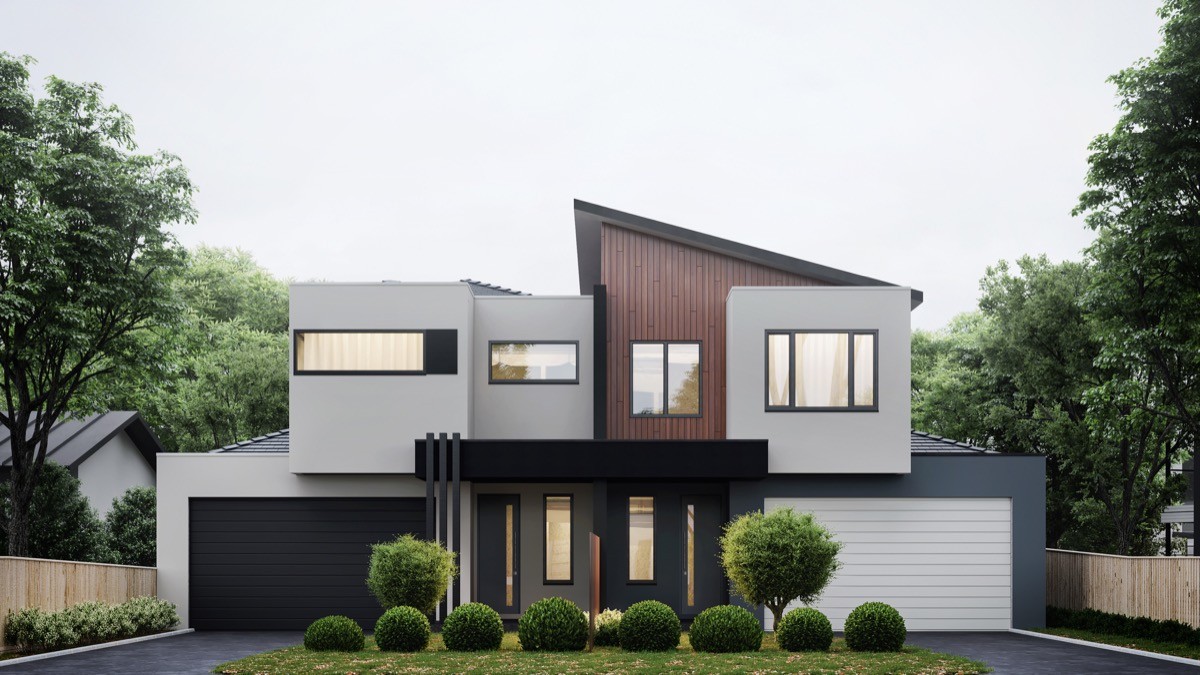
Newer homes sometimes struggle because they try to impress from every angle. Oversized columns, mixed stone, black windows, bright siding, and heavy doors can all be attractive alone. Together, they can turn into noise. Confidence comes from editing.
The best test is simple. Stand across the street and squint. The house should still read clearly as a balanced composition. You should be able to identify the entry, the main mass, and the softer supporting details. When the shape works from far away, close-up upgrades finally have room to matter.
Materials, Colors, and Textures That Give the Home Character
Once the structure has visual order, materials decide the mood. This is where many homeowners get tempted by trends, and that temptation can get expensive fast. A good exterior palette should respect the home’s shape, the surrounding light, and the neighborhood without becoming dull. The goal is not to copy what everyone else has done. The goal is to choose finishes that make the house look like its best version.
Choosing home exterior design materials with staying power
Home exterior design materials should be chosen with weather, maintenance, and proportion in mind. Stone, brick, wood, fiber cement, stucco, and metal all carry different visual weight. Stone feels grounded. Wood feels warm. Stucco feels smooth and quiet. Metal feels crisp. Problems begin when too many of these personalities compete on one facade.
A house with stone on the lower level and siding above can look strong when the stone feels like it is supporting the structure. The same stone slapped around a garage door or used in thin patches can look fake because it no longer behaves like a real material. Materials need logic. They should appear where they make sense.
Texture also changes how a home feels in different light. Rough stone catches shadow. Smooth siding reflects light evenly. Wood grain adds movement. Dark metal trim sharpens edges. A smart mix gives the exterior depth without making it busy.
The safer path is not always the plainest one. A muted palette with one textured material often carries more character than a loud mix of finishes. A charcoal door against warm brick, cedar accents under a porch roof, or limewashed masonry can shift the whole mood without making the house chase a trend.
Using color without making the house shout
Exterior color has a strange way of looking different once it leaves the paint chip. A shade that seems soft indoors can scream outside under direct sun. A gray that looks elegant online can turn cold beside warm brick. That is why exterior color should be tested on the house, not imagined from a screen.
The main color should work with fixed elements first. Roof tone, brick, stone, driveway color, and window frames all limit what will feel natural. Fighting those fixed pieces creates tension. Working with them makes the house feel intentional.
For many homes, the best palette has three layers: a main body color, a trim color, and an accent color. The accent should not do all the work. A front door painted deep green, navy, rust, or black can look sharp, but only when the rest of the palette gives it support.
Here is the part people often miss: lighter colors reveal shape, while darker colors can hide awkward transitions. A small house may look broader in a warm off-white. A large home with uneven additions may look calmer in a deeper neutral. Color is not decoration alone. It is visual editing.
Landscaping, Entry Paths, and Outdoor Details That Make the Home Feel Alive
A house without landscape can feel unfinished, no matter how refined the facade looks. Plants bring movement, softness, shade, and seasonality. They also connect the building to the ground, which matters more than people think. A beautiful exterior should not look like an object placed on a lot. It should look rooted.
Front yard landscaping that frames instead of hides
Front yard landscaping works best when it frames the home rather than covering it. Overgrown shrubs under windows, crowded flower beds, and tall plants pressed against siding can make a house look smaller and older than it is. Healthy planting should guide the eye, not block the architecture.
Start with structure before color. A small ornamental tree near one side of the entry can balance a blank wall. Low evergreen shrubs can hold shape through winter. Perennials can add movement near paths without taking over the view. Seasonal flowers help, but they should not be responsible for the whole design.
A real-world example helps here. Picture a ranch-style home with long horizontal lines. Tall narrow shrubs beside every window fight the architecture. Low grasses, layered beds, and one sculptural tree work better because they echo the home’s shape while adding softness. The house looks wider, calmer, and more grounded.
The unexpected move is leaving breathing room around the foundation. Many people plant too close because they want instant fullness. That choice ages badly. Space allows plants to mature, makes maintenance easier, and keeps the home from feeling swallowed by its own garden.
Entry paths that change how arrival feels
The path to the front door controls the emotional pace of arrival. A thin concrete strip can make even a pleasant home feel transactional. A wider path with better edges, gentle planting, and a clear destination makes the same walk feel considered.
Materials do not need to be expensive to work well. Gravel with steel edging, brick pavers, large stepping stones, or broom-finished concrete can all look good when they match the home’s character. The key is width and direction. A path should feel welcoming, not like a side route to a utility area.
Front yard landscaping can also make the entry path feel more natural. Low plants along one side, a small tree near a turn, or a pair of planters near the door can create movement without clutter. The path should invite you in rather than force you through a narrow channel.
Steps deserve extra attention. Uneven risers, weak railings, or tiny landings make the entrance feel neglected. A deeper landing, strong handrail, and clean threshold can change the whole front experience. People may not name the detail, but they feel the difference every time they arrive.
Lighting, Doors, Windows, and Finishing Touches That Complete the Exterior
After shape, materials, and landscape come the details people notice up close. These elements carry a different kind of power. They do not define the whole house from the curb, but they decide whether the exterior feels cared for when someone reaches the door. This is where good taste becomes visible in small choices.
Outdoor lighting that adds warmth after sunset
Outdoor lighting should make the home feel safe, warm, and dimensional. Too little light makes the exterior disappear at night. Too much light turns the property into a display case. The sweet spot sits between comfort and drama.
Wall lights should fit the scale of the door and surrounding wall. Tiny fixtures beside a tall door look timid. Oversized lanterns on a modest porch can feel theatrical. A good fixture feels present without demanding attention.
Layering matters. One porch light rarely does enough. Path lights can guide movement. Soft uplighting can reveal a tree. A low glow near steps can prevent awkward shadows. Warm bulbs usually flatter exterior materials better than cold ones, especially brick, wood, and stone.
Outdoor lighting also shapes how secure the home feels. Dark corners near side gates, garages, or long paths create unease. Motion lights can help, but they should not replace planned lighting in the main approach. The best nighttime exterior feels calm, not startled awake every time someone moves.
Doors, windows, and hardware that sharpen the whole look
The front door carries more visual weight than its size suggests. It is the handshake of the house. A worn door, weak hardware, or mismatched storm door can drag down an exterior that otherwise works well.
A door upgrade does not always mean replacement. Fresh paint, better hinges, a stronger handle set, and clean glass can change the entry fast. If the door style fights the architecture, though, replacement may be worth it. A sleek slab door rarely suits a cottage. A heavily carved door can feel awkward on a modern facade.
Windows need the same honesty. Shutters should look like they could actually close over the window, even when they are decorative. Trim should feel consistent. Black windows can look sharp, but they are not magic. On some homes, they frame the view beautifully. On others, they create harsh outlines that make the facade feel chopped into pieces.
Small finishing details should pull their weight. House numbers, mailbox, doorbell, railings, and planters should share a quiet language. They do not need to match perfectly, but they should not feel collected from five different moods. A beautiful exterior often comes down to this: nothing feels accidental.
Conclusion
The best exterior choices do not chase attention. They create a sense of care that people can feel before they understand why. A home becomes memorable when its shape has order, its materials make sense, its planting feels alive, and its details support the story rather than interrupt it. That is why the smartest Exterior Design Ideas are not about copying a magazine photo. They are about reading your own house honestly and improving what already wants to work. Start from the street, decide where the eye should land, and remove anything that fights that path. Then choose one upgrade that changes daily experience, not only appearance. Paint the door. Widen the path. Fix the lighting. Edit the planting. Your next step is simple: stand outside tomorrow, look at your home like a guest would, and make the first change that helps it speak with confidence.
Frequently Asked Questions
What are the best exterior design ideas for small homes?
Small homes look stronger when the design stays clean, balanced, and scaled correctly. Use a clear front path, one confident door color, low planting, neat trim, and lighting that fits the entry. Avoid oversized columns, busy finishes, and crowded landscaping that make the house feel cramped.
How can I improve curb appeal on a budget?
Start with cleanup before buying anything new. Trim plants, wash the siding, paint the front door, update house numbers, refresh mulch, and replace weak porch lighting. These changes cost less than major renovations but can make the home feel cared for almost immediately.
Which colors work best for home exterior design?
The best colors work with the roof, stone, brick, and surrounding light. Warm whites, soft taupes, muted greens, deep blues, and charcoal tones often age well. Test large paint samples outdoors before deciding because sunlight can change a color more than expected.
How does front yard landscaping affect home value?
Good planting improves first impressions, frames the house, and makes the property feel maintained. Buyers often read a healthy front yard as a sign that the rest of the home has been cared for too. Messy or overgrown landscaping can create the opposite reaction.
What outdoor lighting is best for a front entrance?
Use warm, appropriately sized fixtures beside or above the door, then support them with path lights or low step lighting. The goal is a safe, welcoming glow rather than harsh brightness. Good lighting should guide guests naturally without making the entry feel staged.
How do I choose materials for a beautiful home exterior?
Choose materials that match the home’s architecture, climate, and maintenance needs. Brick, stone, siding, stucco, wood, and metal all have different visual weight. Use fewer materials with better purpose instead of mixing many finishes that compete for attention.
Are black windows still a good exterior choice?
Black windows can look excellent on homes with clean lines, balanced contrast, and simple materials. They can also look harsh on softer or more traditional facades. Treat them as a design decision, not a trend that works everywhere.
What is the easiest way to make an exterior look more polished?
Focus on the entry first. A clean door, strong hardware, tidy planters, visible house numbers, and balanced lighting can lift the whole facade. The entrance sets the tone, so improving it often makes the entire home feel sharper and more complete.