

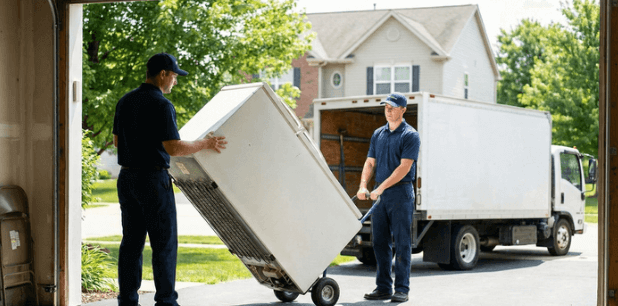
Refrigerator Removal: A Safe, Simple Disposal Guide
Refrigerator removal is more than carrying an old appliance to the curb. Refrigerators are large, heavy, and built with electrical components, insulation, refrigerants, and other materials that require thoughtful handling. Whether you are replacing a broken unit, clearing a property, or renovating a kitchen, planning can protect your home, reduce injury risks, and support responsible disposal.
Junk Rescue AZ can help with the heavy lifting and removal work. Before scheduling a pickup, understand what responsible refrigerator disposal involves and how to prepare the appliance.
Why Refrigerator Removal Requires Planning
A refrigerator can weigh hundreds of pounds, creating challenges around doorways, stairs, tight hallways, and outdoor paths.
Refrigerators may contain refrigerants and components that should not be released or discarded with ordinary household trash. Proper recycling and disposal help ensure these materials are handled appropriately.
Planning also reduces the chance of property damage or injury.
How to Prepare a Refrigerator for Removal
Before the refrigerator is picked up, take several simple steps to prepare it.
1. Empty the refrigerator completely
Remove all food, drinks, ice, shelves, drawers, and loose items. Check the freezer, door compartments, and hidden corners for anything that could fall out during transportation.
If the appliance has spoiled food inside, dispose of it separately according to your local waste rules.
2. Defrost the freezer
If ice has accumulated inside the freezer, allow it to melt before removal. Place towels around the appliance to absorb water and prevent moisture from damaging flooring.
Never use sharp tools to chip away thick ice. Doing so can damage internal components or create unnecessary safety risks.
3. Disconnect the power
Unplug the refrigerator before moving it. If the appliance is hardwired rather than connected with a standard plug, have a qualified professional handle the electrical disconnection.
Allow remaining water to drain and the interior to dry.
4. Secure doors and removable parts
Remove loose shelves and drawers or secure them so they cannot shift during transportation. Refrigerator doors should be kept from swinging open while the appliance is being moved.
Do not rely on a thin cord or electrical cable to hold the doors shut. Use appropriate moving straps or other safe methods designed for appliance transport.
Refrigerator Removal: DIY or Professional Service?
One of the biggest decisions is whether to remove the refrigerator yourself or hire a removal service. The right choice depends on the appliance’s size, location, available equipment, and your ability to move heavy objects safely.
DIY removal may seem inexpensive, but a refrigerator can become difficult to handle when it must be carried down stairs, moved through narrow spaces, or loaded into a truck.
Professional removal can be especially useful when:
- The appliance is unusually large or heavy.
- It is upstairs or difficult to access.
- You do not have a suitable vehicle.
- You want to avoid lifting injuries.
- You need the appliance taken away rather than moved outside.
The goal is safe removal without unnecessary risks or property damage.
Refrigerator Disposal and Recycling
Responsible appliance disposal does not always mean sending the entire unit to a landfill. Depending on its condition and local options, an old refrigerator may be repaired, donated, reused, or recycled.
Refrigerators contain materials such as steel, aluminum, copper, plastics, and glass. Recycling can recover these materials and reduce demand for new resources.
Some appliances may also contain refrigerants that require specialized handling. Avoid cutting, puncturing, or dismantling refrigeration lines yourself.
If the refrigerator is still functional, consider whether someone else could use it through resale, donation, or reuse.
Common Refrigerator Removal Mistakes to Avoid
Even a straightforward appliance pickup can go wrong when basic precautions are skipped.
Trying to move it alone
A refrigerator’s weight and awkward shape make solo lifting risky. Use adequate help and appropriate moving equipment.
Forgetting about the path
Measure doorways, hallways, gates, and tight areas before moving the appliance. Clear obstacles and protect vulnerable flooring.
Laying the refrigerator down carelessly
Refrigerators are designed to operate upright. If an appliance must be tilted during transport, follow the manufacturer’s handling guidance before reconnecting it.
Breaking components apart
Do not puncture refrigerant lines or dismantle sealed components to make the refrigerator easier to carry. This can create safety and environmental problems.
Ignoring local disposal rules
Large appliances may have specific collection or disposal requirements. Check local rules before placing a refrigerator outdoors.
How to Make Appliance Removal More Efficient
Good preparation can make refrigerator removal quicker and reduce unnecessary labor. Identify the route from the appliance to the pickup point, then clear furniture, boxes, rugs, and other obstacles.
Measure narrow openings and check whether doors need to be temporarily removed for clearance. Protect flooring and communicate stairs, narrow access points, gates, or multiple appliances before the appointment.
If you are completing a larger cleanout, consider removing other unwanted bulky items at the same time. Combining tasks can reduce separate trips.
Signs It Is Time to Remove Your Refrigerator
Frequent breakdowns, poor cooling, damaged seals, excessive noise, rust, and rising energy use can all be reasons to consider replacement.
A working refrigerator does not automatically need to become waste. If repair is practical and economical, extending its useful life may be preferable.
When replacement is the better option, plan removal before the new refrigerator arrives. This prevents the old appliance from blocking space and makes installation easier.
A Practical Refrigerator Removal Checklist
Before your scheduled pickup:
- Empty food and beverages.
- Remove loose shelves and drawers.
- Defrost and dry the freezer.
- Unplug the appliance safely.
- Secure doors and loose parts.
- Clear and protect the removal path.
- Confirm access conditions with the provider.
- Check local disposal requirements if necessary.
- Arrange responsible recycling or disposal.
Make Refrigerator Removal Easier
An unwanted refrigerator should not become a source of stress, injury, or unnecessary waste. With proper preparation and responsible handling, you can clear the appliance from your property while reducing risks and supporting better disposal practices.
For homeowners and property managers who want a convenient solution, Junk Rescue AZ provides a practical option for getting bulky unwanted items out of the way. By preparing the appliance, confirming service details, and choosing responsible handling, you can make refrigerator removal safer, simpler, and more efficient from start to finish.
