Spare Bedroom Conversion Into a Home Office Done Right
A spare bedroom can become the most valuable room in the house when you stop treating it like leftover space. A thoughtful spare bedroom conversion gives you a place to work, think, take calls, store paperwork, and shut the door when the rest of the house gets loud. Across the USA, that matters for parents sharing space with kids, remote workers in older homes, freelancers in rentals, and homeowners trying to make every square foot earn its keep. The smartest rooms do not feel like a desk was dropped beside a forgotten bed. They feel intentional from the first glance. That starts with layout, light, comfort, storage, and a few choices that protect the room from becoming a dumping zone again. For homeowners building a stronger online or home-based work life, resources like digital visibility support can also help connect the space you work in with the goals you are building from it. Done right, this room can carry your workday without stealing the warmth that made it useful in the first place.
Planning a Spare Bedroom Conversion Around Real Daily Work
A room plan fails when it is built for a photo instead of a weekday. Before you buy a desk, measure the room as if Monday morning already started. Notice where the door swings, where the outlet sits, where sunlight lands at noon, and where a video call background will face. Good planning makes the room feel calm before you even decorate it.
Build the Layout Around Your Hardest Task
Your desk should sit where your toughest work feels easiest. A person who spends hours on video calls needs a cleaner background and softer front-facing light. Someone handling invoices, samples, files, or printed notes needs surface area more than a dramatic chair by the window.
A common American spare bedroom is around 10 by 11 feet, and that size can trick you. It looks open when empty, then shrinks fast after a desk, chair, printer, bookcase, and guest bed enter the room. Leave at least three feet behind the chair if possible, because squeezing out sideways every hour will make the setup feel temporary.
Decide What the Room Must Stop Being
The first win is not adding office furniture. It is removing the old identity of the room. If the space has been holding holiday bins, extra bedding, broken lamps, and mystery boxes from the last move, your brain will still read it as storage even after a desk arrives.
Set a firm rule before the makeover starts. The room can support work, guests, hobbies, or storage, but it cannot carry every household problem. This is where many people get stuck. They want a home office setup, yet they keep every spare object “for now.” That phrase ruins more rooms than bad furniture ever could.
Choosing Furniture That Makes a Home Office Setup Feel Permanent
Furniture decides whether the room feels like a real office or a rushed corner. The right pieces do not need to be expensive, but they must fit the way you work. A beautiful desk that cannot hold your monitor, notebook, and coffee mug will annoy you every single morning.
Pick a Desk That Fits the Room, Not the Fantasy
A giant executive desk sounds appealing until it blocks the closet and makes the room feel smaller than a motel office. Most spare bedrooms work better with a clean writing desk, a compact L-shaped desk, or a wall-mounted option if floor space is tight.
Height matters more than style. Your elbows should sit comfortably near desk height, your feet should reach the floor, and your monitor should not force your neck downward. That sounds plain, but it changes everything. Back pain has a way of turning a pretty room into a room you avoid.
Keep the Chair Honest
The chair is where you should spend more carefully. Dining chairs look charming for ten minutes, then punish your hips by lunch. A proper task chair with seat adjustment, back support, and smooth movement makes work feel less like endurance training.
A small home office also needs visual balance. Bulky black office chairs can overpower a bedroom, especially in a house with softer trim, carpet, or traditional furniture. Look for shape before color. A slimmer chair with real support often works better than a huge one pretending to be luxury.
Managing Light, Sound, and Screens Without Overcomplicating the Room
A spare room office can look finished and still feel awful if light, sound, and glare are ignored. These are the details people notice only after the first full workday. The laptop screen reflects the window. The hallway noise leaks into calls. The overhead light makes every meeting look cold.
Use Natural Light Without Letting It Control the Desk
Natural light is a gift until it hits your screen at the wrong angle. Place the desk perpendicular to the window when you can. That gives you daylight without direct glare, and it keeps your face from being washed out or shadowed during video calls.
Window treatments matter here. Light-filtering curtains, woven shades, or adjustable blinds can soften the room without turning it into a cave. In sunny states like Arizona, Texas, and Florida, afternoon heat can make a workroom uncomfortable fast. A room that looks bright at 9 a.m. may feel harsh by 3 p.m.
Quiet the Room With Soft Surfaces
Sound control does not require studio panels unless your work demands recording. Most homes need simpler fixes. A rug, curtains, upholstered chair, fabric bulletin board, and filled bookcase can reduce echo enough for calls and focus.
A guest room office often has one advantage: it already contains soft items. A daybed, folded quilt, or upholstered bench can help absorb sound while keeping the room flexible. The trick is to make those pieces look chosen, not abandoned. Folded bedding should have a place. Extra pillows should not become a landslide.
Using Storage So the Office Does Not Become a Closet Again
Storage is where the room either grows up or falls apart. A spare bedroom office needs fewer hiding spots than people think, but the hiding spots must be smart. When every drawer has a job, clutter loses its favorite excuse.
Give Paper a Short Path
Paper clutter spreads when the filing system lives too far from the desk. Keep daily papers within arm’s reach and long-term files in a labeled drawer, cabinet, or closet shelf. A simple three-part system works for most homes: active, waiting, archived.
This is one of the best office storage ideas because it respects real behavior. People do not walk across the room every time they open mail. They pile it. Design for the habit you already have, then improve it by inches.
Turn the Closet Into a Work Tool
A bedroom closet can become the strongest part of the office. Remove random storage, add shelves, use labeled bins, and reserve one zone for supplies you touch weekly. If the closet has sliding doors, keep the most-used items near the center where access is easiest.
A small home office gains breathing room when the closet carries the ugly stuff. Printer paper, cords, spare notebooks, shipping supplies, seasonal files, and tech boxes do not need to sit in the open. The visible room should help you focus. The closet can do the heavy lifting quietly.
Keeping the Room Flexible Without Making It Feel Temporary
Many homeowners still need the room to work as a guest space. That is not a problem. The mistake is treating flexibility like permission to avoid decisions. A flexible room needs firmer choices, not weaker ones.
Choose a Guest Bed That Earns Its Space
A full bed can dominate a room that only hosts guests three weekends a year. A daybed, sleeper chair, Murphy bed, or high-quality air mattress in a closet may serve the house better. The right choice depends on how often guests stay and how much work happens in the room.
A guest room office should not make visitors feel like they are sleeping in someone’s paperwork. Clear surfaces before guests arrive, use closed storage, and keep bedding in one clean zone. When the office tools have homes, switching the room back for guests becomes a 15-minute reset instead of a Saturday project.
Make the Background Work for Both Uses
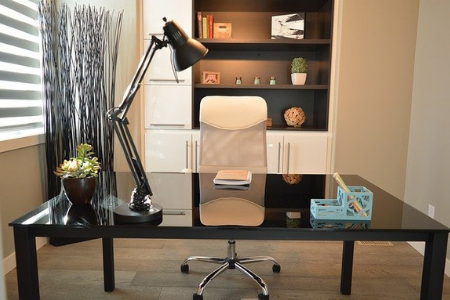
The wall behind your desk matters more now because video calls turned private rooms into public-facing spaces. A bookcase, framed art, calm paint color, or simple cabinet can create a background that looks professional without feeling staged.
This is also where office storage ideas can become part of the design. Closed cabinets below and open shelves above give you a clean video background while still keeping supplies nearby. The room should not announce, “This is where clutter went to hide.” It should say you planned the space with care.
Conclusion
A spare bedroom should not sit frozen for guests who rarely come while your daily work fights for space at the kitchen table. The best rooms serve the life you live most often, then adapt when needed. That is the real value of spare bedroom conversion: it turns passive square footage into active support for your time, focus, and income. Start with the work you do, not the furniture you like. Measure the room, choose a desk that fits, protect your lighting, tame the paper, and give every item a place to return. You do not need a showroom. You need a room that makes starting easier and stopping cleaner. Walk into that spare bedroom today with a tape measure, a trash bag, and a decision: this space is going to work as hard as you do.
Frequently Asked Questions
How do I turn a spare bedroom into a home office on a budget?
Start by clearing the room, using furniture you already own, and buying only the pieces that affect comfort first. A sturdy desk, supportive chair, task lamp, and basic storage matter more than decor. Paint, curtains, and secondhand shelves can finish the space without draining your budget.
What is the best layout for a small bedroom home office?
Place the desk where you have light, outlet access, and enough chair clearance. Avoid blocking the closet or doorway. In tight rooms, a wall-facing desk, corner desk, or floating desk usually works better than placing furniture in the center.
Can a spare bedroom still work as a guest room and office?
Yes, but the room needs closed storage and furniture with dual purpose. A daybed, sleeper sofa, Murphy bed, or compact bed frame keeps guest function without stealing the whole floor. Keep work papers hidden before guests arrive.
What furniture do I need for a spare room office?
Most people need a desk, ergonomic chair, task lamp, storage cabinet or shelving, and a small surface for a printer or supplies. Add guest furniture only if the room must still host visitors. Comfort and movement should guide every furniture choice.
How can I make a home office look professional on video calls?
Face soft light when possible, clean up the background, and avoid visual clutter behind your chair. A bookcase, framed art, plant, or simple cabinet can look polished without feeling fake. Keep cords and loose papers out of the camera frame.
What color works best for a bedroom converted into an office?
Warm whites, soft greens, muted blues, light taupes, and gentle grays usually work well because they stay calm during long workdays. Avoid colors that feel too dark for daytime work unless the room has strong natural light.
How do I add storage without making the office feel crowded?
Use vertical wall space, closet shelves, rolling drawers, and closed cabinets. Keep daily items near the desk and move rarely used supplies into labeled bins. Open shelves should hold attractive or often-used items, not every spare object in the house.
Is it worth converting a spare bedroom into a home office?
It is worth it when the room supports work you do often. A dedicated office can improve focus, reduce household distractions, and create a cleaner boundary between work and personal life. The value is highest when the space is planned around daily habits.