Pantry Shelving Organization Systems That End Kitchen Clutter Forever
A messy pantry does not happen because you bought too many groceries. It happens because the shelves give every item the same kind of space, even though cereal boxes, spice jars, snack packs, canned beans, baking flour, and paper towels all behave differently once they land behind a cabinet door. The right pantry shelving systems fix that by giving your food a place that matches how your household cooks, shops, and grabs snacks on a rushed Tuesday night.
Most American kitchens were not built around modern grocery habits. Bulk buys from Costco, lunchbox snacks, meal prep containers, and backup pantry staples fight for space that was often planned for a smaller, simpler food routine. Good organized home planning starts with a blunt truth: more shelves do not always mean more order.
The best setup makes clutter harder to create. It keeps the everyday items at eye level, the heavy items low, the rare-use items high, and the “where did I put that?” items visible before they expire. Once your shelves work with your habits instead of against them, the pantry stops being a storage cave and starts acting like a quiet kitchen assistant.
Why Pantry Shelving Systems Fail When the Layout Ignores Real Habits
A pantry can look perfect on installation day and fall apart by the next grocery run. That usually means the design was planned around empty space instead of daily movement. Shelves need to answer real questions: who grabs breakfast, who packs lunches, who cooks dinner, who unloads groceries, and who leaves the pretzels open.
Kitchen Pantry Organization Starts With Zones, Not Containers
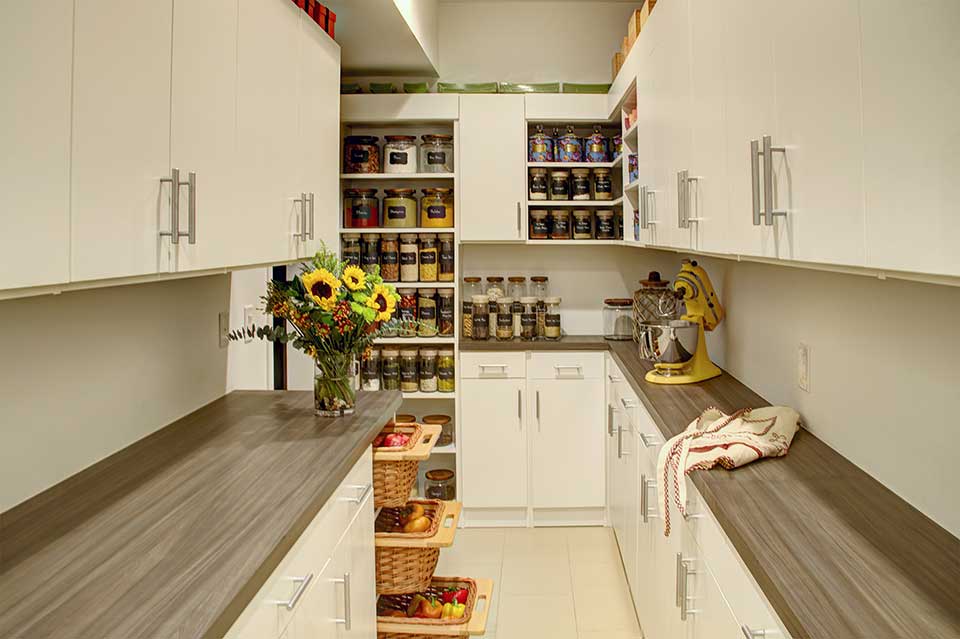
Kitchen pantry organization gets easier when every shelf has a job before you buy a single bin. Breakfast items belong together. Baking supplies need their own area. Dinner staples should sit where you can scan them fast. Snacks need boundaries, or they will spread like gossip.
A common mistake is sorting by package shape instead of use. Cans line up neatly, boxes stack well, and jars look tidy, but that does not mean the pantry works. If pasta sits three shelves away from sauce, dinner prep slows down. If school snacks hide behind flour, someone tears the whole shelf apart looking for granola bars.
A better setup starts with movement. Place the foods you touch daily between shoulder and waist height. Keep weekend baking supplies higher. Put heavy drinks, rice bags, and backup cans down low. This simple shift turns the pantry into a map your family can follow without thinking.
Why Pretty Shelves Still Create Daily Friction
A good-looking pantry can still be annoying. Matching baskets may hide clutter, but they can also hide what you own. Deep bins can swallow small jars. Tall containers may waste vertical room. The problem is not the style. The problem is choosing style before function.
Clear containers work best for dry staples that turn messy once opened, like flour, sugar, rice, oats, and cereal. They are less useful for items that already come in strong packaging or get used fast. Nobody needs to decant every bag of chips unless they enjoy creating extra chores.
The unexpected truth is that a pantry should not look untouched. A working pantry has signs of use. The goal is not a showroom shelf. The goal is a system that resets quickly after groceries come home, kids grab snacks, and dinner gets cooked on a night when nobody has patience left.
Adjustable Pantry Shelves Make Space Fit the Food You Actually Buy
Fixed shelves force your groceries to adapt to the cabinet. That sounds minor until tall cereal boxes get shoved sideways and short cans sit under wasted air. Adjustable pantry shelves solve this by letting shelf height match the real items in your home, not some builder’s guess from ten years ago.
How Adjustable Pantry Shelves Stop Wasted Vertical Space
Adjustable pantry shelves earn their keep in homes that buy a mix of bulk items and smaller staples. A shelf that works for soup cans will not work for paper towels. A shelf that fits cereal boxes may waste half its height when used for spices. The room was always there; the shelf spacing was the problem.
Start by grouping pantry items by height before moving shelves. Put tall bottles, cereal, oils, and paper goods in one group. Put cans, jars, spices, and snack boxes in another. Then set shelf spacing around those groups. You will often gain an entire shelf worth of usable room without expanding the pantry.
This matters even more in tract homes and older kitchens across the U.S., where pantry cabinets often come with wide gaps between shelves. Builders design for average use. Families do not live in averages. Your shelf heights should reflect your Costco runs, weeknight recipes, and the snacks your kids burn through first.
When Pull-Out Shelves Beat Deep Fixed Storage
Deep pantry shelves seem generous until food disappears in the back. That hidden space becomes a graveyard for expired crackers, duplicate condiments, and the one can of pumpkin nobody remembers buying. Pull-out shelves fix the back-row problem by bringing the full shelf forward.
They work best for canned goods, baking supplies, oils, sauces, and small appliances. You see everything at once, so you stop buying extras. You also avoid the awkward reach that knocks over three jars while you hunt for taco seasoning.
Pull-outs do have limits. They cost more than basic shelf boards, and they need strong hardware. Cheap slides sag under canned goods. If the budget is tight, add pull-outs only where the pantry causes the most stress. One smart sliding shelf can beat four pretty baskets that do nothing.
Small Pantry Solutions Need Discipline More Than Extra Products
A small pantry is not a lost cause. It simply punishes vague decisions faster than a large one. Every inch needs a purpose, and every item needs a reason to stay. Small pantry solutions work best when they reduce choices instead of adding more organizers to an already crowded space.
Small Pantry Solutions That Use Doors, Corners, and Dead Gaps
Small pantry solutions often begin with the door. A shallow door rack can hold spices, packets, foil, wraps, and lightweight snacks. That frees the main shelves for bulkier items. The trick is keeping door storage narrow, or the door will fight the shelves every time it closes.
Corners need special care because they love to trap forgotten food. Lazy Susans work well for oils, vinegars, sauces, and jars. Tiered risers help canned goods stay visible. Narrow vertical dividers can hold cutting boards, baking sheets, or paper bags if the pantry shares space with kitchen supplies.
Dead gaps deserve attention too. A few inches beside a shelf can hold a slim rolling cart. The space under the lowest shelf can store heavy backup items. The top shelf can hold rarely used party supplies in labeled bins. Small spaces reward calm editing. They do not forgive “maybe I’ll use this someday.”
The Case for Buying Less Storage Gear First
Pantry storage ideas often start with products, but the smarter move is subtraction. Pull everything out, throw away expired items, and group duplicates. Most people discover they do not need more room. They need fewer half-used bags, fewer mystery cans, and fewer backup items bought out of habit.
A one-week pantry test helps. After cleaning, leave the pantry with basic zones but no new organizers. Watch where clutter returns. If snack bags slide around, buy a snack bin. If cans vanish, add a riser. If flour spills, use a sealed container. Let the mess show you what to buy.
This prevents organizer clutter, which is its own kind of kitchen chaos. Bins, labels, racks, and jars can become another layer of stuff to manage. The best product is the one that solves a repeated problem. Everything else is decoration wearing a work uniform.
Pantry Storage Ideas That Keep the System Alive After Grocery Day
A pantry does not fail during the cleanup. It fails during the refill. Grocery day is the stress test because new items enter fast, old items get pushed back, and tired people make quick decisions. Pantry storage ideas should make the reset so obvious that nobody needs a lecture to follow it.
Build a First-In, First-Out Shelf for Real Life
Restaurants use first-in, first-out because waste costs money. Homes need the same idea, but with less fuss. Put newer cans, jars, and boxes behind older ones. Keep open packages in front. Place backup items in a marked overflow zone so they do not crowd the active shelf.
This habit saves money in a quiet way. You stop finding expired soup behind newer cans. You stop opening a second jar of peanut butter while the first one sits half-full. You stop treating the pantry like a black hole with a grocery receipt attached.
The system works best when labels face forward. That sounds small, but it changes behavior. A visible shelf invites quick decisions. A messy shelf invites rummaging. Once rummaging starts, order starts losing.
Labels Help Only When They Match Human Behavior
Labels can save a pantry or make it silly. “Snacks,” “Breakfast,” “Baking,” and “Dinner Staples” help because they match how people think. Overly specific labels can backfire. A bin marked “organic chia seed breakfast toppings” may look charming, but it will annoy anyone trying to put groceries away.
Kitchen pantry organization stays stronger when labels leave a little room for change. Families rotate foods by season, school schedules, diets, and sales. A rigid label system makes people either ignore the labels or create overflow piles beside them.
Use plain words. Put labels where hands naturally reach. Make them large enough to read without bending. The point is not to impress guests who open the pantry. The point is to help the person unloading groceries at 8 p.m. make the right choice without thinking hard.
Conclusion
A pantry should lower the pressure in your kitchen, not add one more place you avoid opening. The shelves, bins, racks, and labels only matter when they support the way your household already moves. That means daily foods stay visible, heavy items stay low, backup goods stay controlled, and every zone has a clear reason to exist.
The biggest shift is mental. Pantry shelving systems are not about chasing a flawless photo. They are about building a storage rhythm that survives rushed mornings, bulk grocery runs, hungry kids, and tired weeknight cooking. Once the pantry can recover from real life, clutter loses its favorite hiding place.
Start with one shelf today. Empty it, sort it by use, adjust the spacing if needed, and put back only what deserves that space. Then move to the next shelf with the same honesty. A kitchen changes fast when the pantry finally stops working against you.
Frequently Asked Questions
What is the best way to organize deep pantry shelves?
Use pull-out trays, clear bins, or tiered risers so items in the back stay visible. Keep everyday foods near the front and place backup items behind them. Deep shelves work best when each zone has one job and no loose pile hiding in the back.
How do I organize a pantry with no built-in shelves?
Add a freestanding shelving unit, slim rolling cart, or wall-mounted rack based on the space you have. Keep heavy items near the floor and lighter goods higher. Door racks can handle spices, wraps, packets, and small snack items without taking floor space.
Are clear pantry containers worth buying?
Clear containers are worth buying for messy dry goods like flour, sugar, rice, oats, cereal, and pasta. They are less useful for items that already store well in their original packaging. Buy containers after sorting the pantry, not before.
How often should I clean and reset my pantry?
A light reset every grocery trip keeps clutter from spreading. A deeper clean every two or three months catches expired food, duplicate items, and broken zones. Seasonal resets also help before holidays, school starts, or major changes in cooking habits.
What pantry items should go on the lowest shelf?
Store heavy items low, including bottled drinks, large rice bags, bulk flour, canned goods, pet food, and small appliances. Low storage prevents awkward lifting and reduces the chance of spills or dropped items. Keep children’s snacks higher if you need more control.
How can I make a small pantry look less crowded?
Limit visual noise by grouping items in broad zones and using a few matching bins for loose packages. Avoid filling every inch. A small amount of open space makes the pantry easier to use and easier to reset after groceries come home.
What should I put on pantry door shelves?
Use pantry door shelves for lightweight and shallow items like spices, seasoning packets, foil, plastic wrap, tea boxes, small snacks, and sauce packets. Avoid glass jars or heavy bottles unless the rack is built for weight and the door closes without rubbing.
How do I stop my pantry from getting messy again?
Assign every shelf a clear purpose and make grocery unloading simple. Keep labels broad, store daily items at eye level, and create an overflow spot for backups. The system lasts when every person in the house can follow it without being taught twice.