Top Exterior Styling Ideas for Outdoor Beauty
A beautiful home exterior does not begin with expensive materials. It begins with restraint, taste, and the courage to stop adding things once the space starts to breathe. Strong exterior styling ideas can turn an ordinary entrance, patio, or garden edge into something that feels cared for before anyone steps inside. That matters because your exterior is not decoration sitting outside the home; it is the first conversation your home has with everyone who passes by.
The best changes usually come from sharper choices, not bigger budgets. A cleaner walkway, warmer lighting, better planting rhythm, and a front door that feels intentional can do more than a dozen scattered upgrades. Good outdoor beauty also supports daily life, not only appearance. A welcoming porch changes how you return home after a long day, while thoughtful curb appeal helps the whole property feel settled and confident. For homeowners, designers, and brands sharing home improvement inspiration through platforms like trusted digital publishing networks, the message is clear: exterior spaces deserve the same care as interiors.
Exterior Styling Ideas That Make the First View Feel Intentional
The first view of a home carries more weight than most people admit. You notice the path before the paint, the doorway before the garden, and the balance before any single detail. A polished exterior does not shout. It guides the eye calmly from street to entry, giving every part a reason to be there.
Curb appeal starts with editing before adding
Curb appeal improves fastest when you remove what weakens the view. Old planters, mismatched solar lights, faded outdoor cushions, and crowded porch décor can make even a good house feel tired. Many homes do not need more pieces outside; they need fewer distractions competing for attention.
A strong edit gives the architecture room to speak. For example, a small brick home with a deep green door, two healthy potted plants, and a clean porch light often feels richer than a larger home buried under seasonal signs and tangled shrubs. The eye likes order before it likes detail.
Start by standing across the street and looking at the house as a stranger would. Notice where your eye gets stuck. A rusty railing, leaning mailbox, or overgrown hedge may be doing more damage than you think. Fix that friction first, then decide what deserves to be added.
Home exterior design needs a clear visual anchor
Home exterior design falls apart when every feature tries to be important. The front door, a large window, a central tree, or a courtyard gate should lead the composition. Without that anchor, the exterior feels noisy even when every piece looks fine on its own.
A navy front door can anchor a white facade. A sculptural olive tree can hold a gravel courtyard together. A pair of wall lanterns can frame an entrance so the home feels balanced after sunset. The anchor does not need to be dramatic; it needs to be certain.
This is where many homeowners overspend in the wrong direction. They replace large surfaces while ignoring the focal point. A tired door color, weak house numbers, or undersized porch light can drag down the whole face of the home. Fix the center of attention and the surrounding details suddenly make more sense.
Materials, Colors, and Textures That Age Well
Once the first view has order, the next layer is texture. Exterior surfaces face rain, sun, dust, wind, and time, so style cannot depend on fragile choices. The goal is not to make the outside look perfect for one weekend. The goal is to make it age with dignity.
Natural textures soften hard outdoor beauty
Outdoor beauty often improves when hard surfaces meet something earthy. Concrete, brick, metal, and glass need contrast, or they start to feel cold. Wood, stone, clay pots, gravel, woven furniture, and layered planting soften that edge without making the space feel messy.
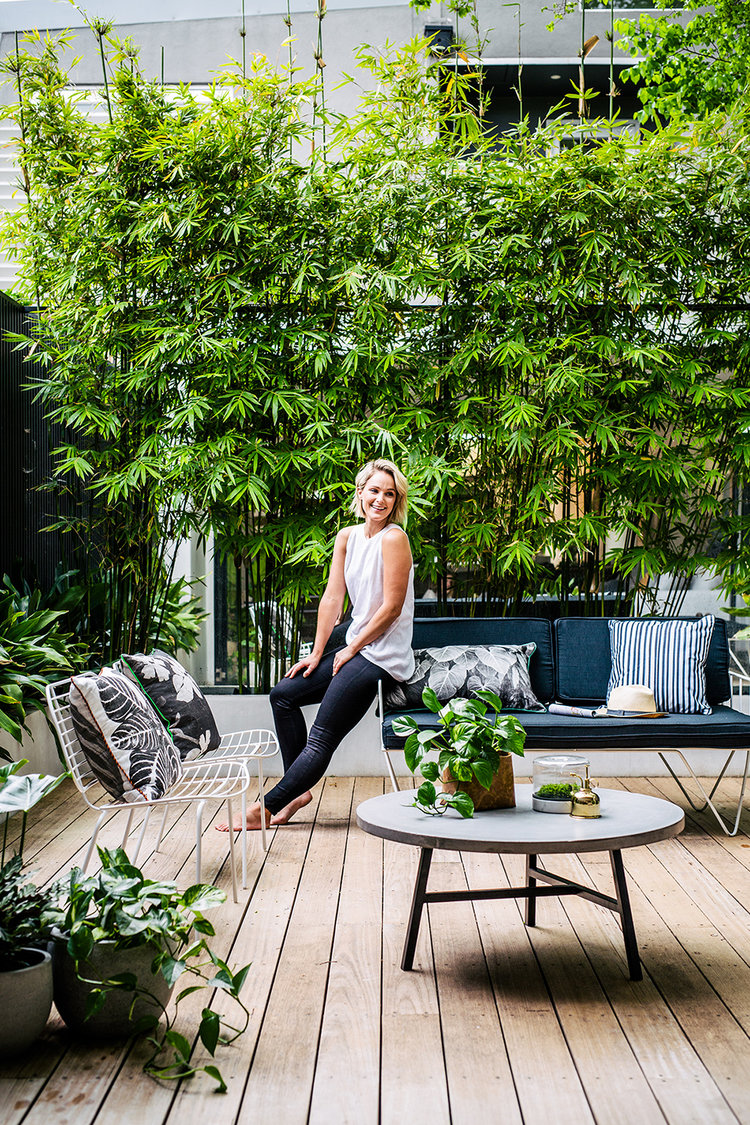
A modern patio with black-framed doors can feel harsh until you add timber seating, low grasses, and warm stone underfoot. A plain stucco wall can feel flat until a climbing plant, ceramic planter, or textured bench gives it depth. Texture does not decorate the exterior; it gives the light something to touch.
The trick is to repeat materials without copying them everywhere. One timber bench, a wood-toned door, and a small slatted screen can create rhythm. Too much matching wood turns into a theme. A little repetition feels designed; too much feels staged.
Color should support the house, not fight it
Color outside behaves differently than color indoors. Sunlight sharpens it, shadows cool it, and surrounding plants change how it reads throughout the day. A shade that looks tasteful on a paint card can look loud across a full facade.
Muted colors usually win outside because they leave space for landscape and light. Warm whites, clay tones, charcoal, olive, sand, taupe, and deep blue can bring calm without looking dull. Brighter color works best as an accent, not a full argument with the street.
A useful test is simple: choose one main color, one support color, and one accent. The siding or wall finish carries the main color. Trim, railings, or frames carry the support color. The door, planters, or outdoor furniture carry the accent. That small structure keeps home exterior design from drifting into guesswork.
Lighting, Pathways, and Planting That Shape the Experience
A home exterior is not a flat picture. You move through it. You arrive, pause, turn, step, sit, unlock, gather, and leave. The best exterior choices understand movement, which is why lighting, pathways, and planting matter more than decorative objects.
Front yard styling should guide the body, not only the eye
Front yard styling works when it tells people where to go without making them think. A clear path, visible entry, and open sightline create comfort. Confusion at the front of a house creates a small tension, even if visitors cannot name it.
A curved path can feel gracious when the garden has enough room for it. In a compact yard, a direct path often feels cleaner and more respectful of space. Gravel can suit a relaxed cottage entrance, while large-format pavers can sharpen a modern home. The material matters, but the route matters more.
Planting should support that route instead of swallowing it. Low plants near the walkway keep the approach open. Taller shrubs belong where they frame, screen, or soften blank walls. A front yard does not need to reveal everything, but it should never make the entry feel hidden by accident.
Lighting changes the mood more than furniture does
Outdoor lighting is often treated as an afterthought, yet it controls how the exterior feels for half the day. A beautiful porch with harsh white lighting can feel like a service entrance. A modest patio with warm, layered light can feel like the best seat in the house.
Use light to mark transitions. Path lights guide steps, wall lights frame doors, and low garden lights reveal texture without turning the yard into a display case. One overhead fixture alone usually creates glare and shadow. Layers feel kinder.
Warm light also protects curb appeal after dark. House numbers become readable, planting gains depth, and the entry feels safe without looking exposed. The best lighting does not announce itself first. It makes everything else look considered.
Outdoor Rooms That Feel Personal, Not Overdecorated
After the entrance, the exterior should offer places to live. Patios, balconies, side yards, and courtyards often fail because they are treated like leftover space. A chair lands here, a planter lands there, and no one knows why the area still feels unfinished.
Seating areas need a reason to exist
An outdoor seating area should answer a real habit. Morning coffee near the kitchen door. Evening reading under a tree. Weekend meals close to the grill. Quiet conversation beside a small fire bowl. Without a habit attached to it, furniture becomes outdoor storage with cushions.
Scale matters more than style here. A tiny patio with two generous chairs and a small table can feel better than a cramped dining set no one uses. A long narrow balcony may need a bench instead of separate chairs. Comfort comes from fit, not from filling every corner.
This is where exterior styling ideas can become personal instead of generic. A family that eats outside needs shade, washable surfaces, and enough walking room around the table. Someone who wants a peaceful retreat needs enclosure, soft planting, and less visual clutter. Style follows use, not the other way around.
Front yard styling can feel private without closing off the home
Privacy outside does not always mean tall fences. In many homes, heavy screening makes the exterior feel defensive. Softer layers often work better: a hedge at knee height, a small tree near a seating area, tall grasses beside a path, or a slatted panel that blocks one awkward angle.
A small courtyard can feel intimate with a waist-high wall and layered planting. A porch can feel calmer with outdoor curtains, side planters, or a trellis placed where neighbors have a direct view. The aim is not to hide from the street. The aim is to create comfort without shutting the home down.
This balance matters for outdoor beauty because the most inviting spaces keep a little openness. They let air, light, and life pass through. A home that feels sealed off may gain privacy, but it loses warmth. The better move is selective screening: block what bothers you and leave the rest alive.
Conclusion
A better exterior begins when you stop treating the outside as a shell and start treating it as part of the home’s daily rhythm. Paint, planters, lights, and furniture matter, but they only work when they support a clear feeling: welcome, calm, confidence, ease. That feeling cannot be bought in one oversized feature. It comes from choices that respect the house, the people who live there, and the way the space is used.
The strongest exterior styling ideas are rarely the loudest ones. They edit first, anchor the view, build texture, guide movement, and create outdoor rooms with purpose. That is the difference between a home that looks decorated and a home that feels deeply cared for. Walk outside today, stand where a guest would stand, and remove the one thing weakening the view before you add anything new. Beauty starts with seeing clearly.
Frequently Asked Questions
What are the best exterior styling ideas for a small home?
Focus on clean sightlines, a strong front door color, tidy planting, and lighting that frames the entry. Small homes look best when details are edited carefully. Too many accents can shrink the exterior, while a few confident choices make it feel composed.
How can I improve curb appeal on a limited budget?
Start with cleaning, trimming, repainting small features, and replacing weak hardware. Fresh house numbers, a better porch light, healthy planters, and a clear walkway can change the whole impression without major construction. Budget upgrades work when they remove visual neglect.
Which home exterior design choices last the longest?
Simple materials, balanced colors, and practical layouts age better than trend-heavy finishes. Stone, brick, timber accents, warm neutrals, and well-placed lighting tend to hold their appeal. The safest long-term choice is a design that respects the home’s architecture.
How does front yard styling affect outdoor beauty?
It shapes how people experience the home before they reach the door. A clear path, balanced planting, and visible entry create comfort and order. When the front yard feels intentional, the entire property appears more cared for and more inviting.
What colors work best for exterior styling?
Soft whites, warm grays, charcoal, olive, clay, beige, deep blue, and muted green often work well outdoors. These colors respond better to sunlight and landscaping than harsh bright tones. Use bolder color on doors, furniture, or planters for control.
How can outdoor lighting improve a home exterior?
Lighting adds safety, depth, and mood after dark. Use path lights for movement, wall lights near entries, and low garden lighting for texture. Warm layered lighting usually feels more welcoming than one bright overhead fixture.
What should I avoid when decorating an exterior space?
Avoid clutter, tiny furniture, mismatched finishes, poor lighting, and plants that block the entry. The biggest mistake is adding décor before fixing structure. A neat path, clear focal point, and healthy planting should come before accessories.
How often should I update exterior styling?
Review the exterior at least twice a year, especially after harsh weather or seasonal changes. Most homes do not need constant redesign. They need regular editing, plant care, surface cleaning, and small updates that keep the space fresh.