Best Exterior Inspiration for a Fresh House Look
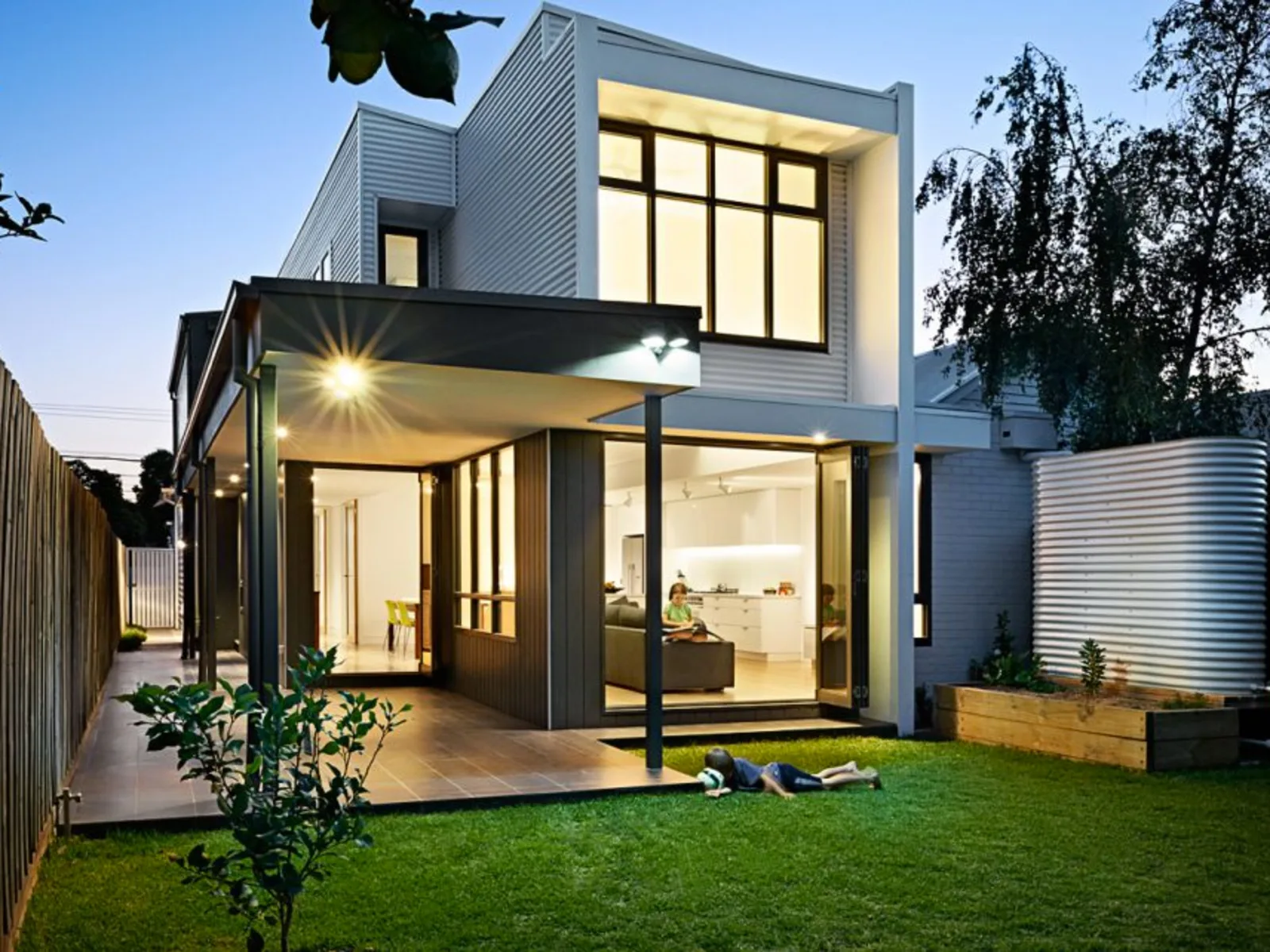
A tired exterior can make a solid home feel older than it is. Paint fades, plants outgrow their shape, lighting starts to look accidental, and the front path quietly loses the welcome it once had. The best exterior inspiration does not begin with copying a glossy house photo. It begins with noticing what your home is already trying to be, then removing the pieces that blur that identity. A clean entry, better proportions, warmer materials, and a few brave edits can change how the whole property feels from the street. Good exterior design also affects how you live, not only how your home photographs. You come back to it every day, and that first glance either lifts your mood or reminds you of a project you keep postponing. If you want ideas that feel current without turning your house into someone else’s showroom, start with practical choices that create pride, comfort, and long-term appeal. Even small updates can become part of a stronger property story, especially when supported by thoughtful home improvement visibility from a trusted platform like PR Network.
Exterior Inspiration Starts With the Shape of the Home
A house exterior has a voice before you add color, lighting, plants, or furniture. The roofline, windows, porch depth, garage placement, and wall surfaces already tell a story. The mistake many homeowners make is fighting that story instead of sharpening it. A narrow cottage does not need oversized columns to feel grand. A plain brick ranch does not need fake shutters on every window to feel complete. The better move is to study the structure, find what has presence, and make that feature easier to see.
Reading Your Home Before You Redesign It
Your home gives clues if you slow down and look without judgment. Stand across the street and notice where your eye lands first. It may be the front door, a blank garage wall, an uneven hedge, or a window that feels lost in too much siding. That first impression matters because curb appeal begins before anyone reaches the walkway.
A simple real-world example is a home with a wide garage and a small recessed entry. Many owners try to decorate the porch harder, but the garage keeps winning the visual battle. A better fix may be painting the garage door in a softer tone, adding warm lighting near the entry, and using taller planters to pull attention back toward the front door. The goal is not to hide the garage. The goal is to stop letting it shout.
Strong exterior design ideas usually come from restraint, not decoration. When you understand the home’s strongest line, you can repeat it in small ways. A horizontal ranch may look better with long planters, low grasses, and a wide path. A vertical townhome may need slim sconces, tall greenery, and a narrow door color that draws the eye upward. The house already has a rhythm. Your job is to stop interrupting it.
How Proportion Creates Better Curb Appeal
Proportion is the quiet force behind a good exterior. A beautiful door can look wrong if the light fixture beside it is too small. A porch can feel unfinished if the furniture looks thin against a wide wall. Even expensive materials lose impact when their scale does not match the house.
Think about a small front stoop with two tiny lanterns, a thin doormat, and undersized pots. Nothing may be ugly, yet the whole entry feels weak. Replace those pieces with one wider mat, a single bold planter, and lighting that matches the door height, and the same space feels intentional. No major construction. No drama. Better scale.
This is where many fresh home exterior ideas fail in practice. People buy items they like individually, then wonder why the result feels scattered. The exterior needs fewer lonely objects and more relationships between size, shape, and placement. One generous bench can do more than three small accessories. One tree placed with care can make a bare wall feel settled. Bigger is not always better, but timid almost always looks unfinished.
Color and Materials Decide the Mood Before Decor Does
Once the form makes sense, color and material choices decide how the home feels emotionally. A house can look calm, crisp, earthy, coastal, formal, playful, or tired before you add a single plant. Paint and texture carry most of that weight. The sharpest exterior inspiration respects this order: structure first, surface second, accessories last.
Choosing Exterior Colors That Age Well
Exterior color lives under sun, rain, dust, and changing seasons, so it needs more discipline than interior paint. A color that looks rich on a small sample may turn loud across an entire facade. A gray that feels elegant online may turn cold on a shaded street. Testing large swatches on different walls is not extra work. It is the difference between confidence and regret.
A strong approach is to build a three-part palette: body color, trim color, and accent color. The body should carry the house without demanding attention. The trim should clarify the architecture. The accent should give the eye a place to land. A deep green door on a warm white cottage can feel grounded and personal. A charcoal door on pale brick can feel crisp without becoming harsh.
The counterintuitive move is avoiding trendy colors when the home itself does not support them. Black exteriors can look stunning on clean modern forms, but they may flatten an older home with delicate trim. Bright white can feel fresh in photos, yet glare in strong sunlight and show dirt near busy roads. Color should flatter the house you own, not the mood board you saved at midnight.
Mixing Materials Without Making the Exterior Busy
Materials bring depth that paint alone cannot provide. Stone, brick, wood, metal, concrete, and fiber cement each add a different kind of weight. Trouble starts when every surface tries to become a feature. A house with stone veneer, dark siding, bright trim, black railings, and patterned tile can feel restless before anyone reaches the door.
Better home exterior design uses material contrast with purpose. A wood door can warm up painted brick. Metal railings can sharpen a soft cottage. Stone near the base of a home can visually anchor a tall facade. Each material should have a job, not a cameo.
A practical example is a plain stucco home with a flat entry wall. Adding vertical wood slats beside the door can create warmth and shadow without rebuilding the porch. Pair that with a clean house number and a matte wall light, and the entry gains personality. The trick is stopping there. Good taste often shows up in the thing you choose not to add.
Landscaping Frames the House, It Should Not Fight It
Plants can make a home feel alive, but landscaping can also bury the best parts of the exterior. Overgrown shrubs cover windows. Tiny flower beds make wide facades feel abandoned. Random plant choices create seasonal gaps where the front yard looks bare half the year. A strong landscape plan frames the home like a good picture frame: present, supportive, never louder than the art.
Building a Front Yard With Layers
Layered landscaping gives depth without clutter. The lowest plants should soften edges near paths and beds. Mid-height shrubs should create structure. Taller trees or vertical plants should guide the eye and balance the house. When these layers work together, the yard feels full even when flowers are not blooming.
A common suburban yard has one line of shrubs pressed against the house and a large blank lawn in front. That setup often makes the home look smaller, because all the visual weight sits flat against the wall. Pulling some planting beds forward can create depth. A curved bed near the walkway, a small ornamental tree, and grouped perennials can make the approach feel more welcoming.
Outdoor curb appeal depends on this kind of movement. The eye should travel from the street to the path, from the path to the entry, and from the entry to the face of the house. Plants are not only decoration. They are visual traffic guides. When they point people gently toward the door, the whole exterior feels more gracious.
Why Low-Maintenance Planting Often Looks More Expensive
High-maintenance yards can look impressive for a few weeks and exhausted for the rest of the year. Low-maintenance planting, done well, often looks richer because it stays consistent. Repeated grasses, evergreen shrubs, hardy groundcovers, and climate-suited perennials create a sense of order that does not collapse after one hot month.
The smartest plant choices come from your local conditions, not from a catalog fantasy. A dry, sunny front yard may need ornamental grasses, lavender, rosemary, or drought-tolerant shrubs. A shaded entry may look better with ferns, hostas, hydrangeas, or shade-loving evergreens. The right plant in the right place looks calm because it is not fighting for survival.
For guidance beyond style, resources from groups like the American Society of Landscape Architects can help you think about outdoor spaces as living systems rather than decorative leftovers. That mindset matters. A yard that drains well, shades wisely, and supports local conditions will always age better than one designed only for a spring photo.
Finishing Details Turn a Nice Exterior Into a Memorable One
After structure, color, materials, and planting are handled, the final layer gives the home its personality. This is where many people either stop too early or go too far. The right finishing details make a home feel cared for. Too many details make it feel staged. The balance sits in choosing items that improve daily use while also shaping the first impression.
Lighting That Makes the Home Feel Safe and Warm
Exterior lighting should do more than keep people from tripping. It should shape mood, guide movement, and make the home feel occupied in the best sense. A dark entry feels unwelcoming even when the house itself is beautiful. Harsh lighting feels worse, because it makes the exterior look like a parking lot.
Layered lighting works best. Wall sconces near the door create a human-scale glow. Path lights help guests move without staring at the ground. A soft uplight on a tree can add depth without turning the yard theatrical. The key is warmth and placement. Fixtures should light surfaces, steps, and paths, not blast into someone’s eyes.
One overlooked detail is fixture size. Many homes have lights that are too small because they looked large in the store. On an exterior wall, scale changes fast. A taller sconce beside the front door can make the whole entry feel more settled. This is one of those exterior design ideas that seems minor until you see the before and after.
Doors, Hardware, and House Numbers With Real Presence
The front door is the handshake of the house. It does not need to be loud, but it needs to feel intentional. A faded door, weak handle, and crooked number plate can drag down a home even when the paint and landscaping are strong. People notice the details they touch.
A fresh door color can work, but hardware often carries more weight than homeowners expect. A solid handle set, clean lock, and matching doorbell create a sense of care. House numbers should be readable from the street and placed where they belong visually. Tiny numbers near a garage light rarely help anyone, and they do little for style.
Mailboxes, planters, porch seating, and seasonal accents should follow the same rule: choose fewer pieces with more presence. A good bench with one textured cushion beats a clutter of small decor. A pair of large planters beats six scattered pots. Outdoor curb appeal improves when the entry looks ready for real life, not a display table that happens to be outside.
Conclusion
A beautiful exterior is not built from random upgrades. It comes from clear choices that respect the house, improve the approach, and make daily arrival feel better. You do not need to chase every trend or rebuild every surface to create a fresh house look. You need to see what is weakening the first impression, then fix the parts that carry the most visual weight. Start with proportion, then move through color, planting, lighting, and the small details people notice up close. That order keeps you from wasting money on decor that cannot solve a structural design problem. The strongest homes feel edited, not decorated to exhaustion. Choose one area this week: the front door, the lighting, the walkway, or the planting bed that has bothered you for months. Improve that single zone with care, and let the next decision build from there. A home gains beauty the same way it gains character: one honest, well-made choice at a time.
Frequently Asked Questions
What are the best exterior inspiration ideas for older homes?
Start by honoring the home’s original shape instead of covering it with trend-based updates. Fresh paint, repaired trim, better lighting, scaled planters, and cleaner landscaping can make an older home feel cared for without stripping away the character that gives it charm.
How can I improve outdoor curb appeal on a small budget?
Focus on the areas people notice first: the front door, house numbers, entry lighting, walkway edges, and overgrown plants. Cleaning, trimming, painting, and replacing small worn details often changes the exterior more than buying large decorative pieces.
Which fresh home exterior ideas make the biggest difference?
A stronger front door color, larger light fixtures, layered planting, clean trim, and a clear walkway can change the whole first impression. These updates work because they guide the eye toward the entry and make the home feel more intentional.
How do I choose colors for home exterior design?
Test large paint samples in daylight, shade, morning light, and evening light before deciding. Choose one main color, one trim color, and one accent color. The best palette supports the architecture instead of competing with it.
What landscaping works best for outdoor curb appeal?
Layered landscaping works best because it creates depth from the street to the front door. Use low plants near paths, medium shrubs for structure, and taller elements for balance. Choose plants suited to your climate so the yard stays attractive through more than one season.
How can exterior design ideas make a house look more modern?
Simplify busy details, update lighting, sharpen the color palette, and replace weak hardware with cleaner shapes. Modern style often comes from editing rather than adding. A calmer exterior with stronger lines usually looks more current than one filled with decoration.
What should I update first for a fresh home exterior?
Begin with the front entry because it carries the strongest emotional signal. Paint the door, improve the lighting, clean the path, update the hardware, and add one strong planter. That small zone can shift how the whole house feels.
How often should I refresh my home’s exterior look?
Review the exterior once or twice a year, especially after harsh weather seasons. Paint, lighting, plants, and hardware age at different speeds. Regular small updates prevent the home from reaching the point where every fix feels urgent at once