Window Frame Rot Repair Methods Before Full Replacement Is Needed
A soft window corner can make a whole wall feel suspect. Once paint bubbles, trim darkens, or a sill starts to crumble under your finger, Window Frame Rot becomes more than a cosmetic problem. It tells you water has been sitting where wood was never meant to stay wet.
Many U.S. homeowners panic too early and price a full window replacement before they know how far the damage runs. For anyone comparing contractor advice, repair notes, and home improvement publishing resources, the smarter move is to separate surface decay from structural failure. A frame that looks rough from the driveway may still have solid wood behind the bad edge.
That distinction matters. Replacing a full window means siding disruption, interior trim work, possible drywall touch-ups, and higher labor costs. Repairing the damaged zone can preserve the original unit, protect the opening, and buy years of service when the frame is still sound. The goal is not to hide rot. The goal is to remove weak wood, stop the moisture source, rebuild the shape, and seal the repair so the same failure does not return after the next hard rain.
Reading the Damage Before You Touch a Tool
Rot has a way of making homeowners rush. That is where mistakes begin, because the ugliest part of the frame is not always the most serious part. Before sanding, filling, or calling a window company, you need to learn what the damage is saying.
How to Tell Surface Decay From Structural Failure
Surface decay usually shows up as peeling paint, shallow softness, small cracks, or a dark line along a joint. The wood may feel rough, but it still pushes back when you press it with a screwdriver. That is the kind of damage where a rotted window frame may still be a repair candidate instead of a replacement case.
Structural failure feels different. The screwdriver sinks deep, corners crush, and trim pieces move when they should stay locked in place. In older homes around New England, the Midwest, and rainy parts of the Pacific Northwest, this often appears where painted wood meets brick, siding, or an old storm window track.
A good test is simple but revealing. Probe the sill nose, lower side jambs, outside casing, and the joint where the sill meets the vertical frame. If the tool only catches the outer layer, repair is still on the table. If the damage runs behind the frame into the rough opening, the project has moved beyond patching.
Why the Water Source Matters More Than the Soft Spot
The soft spot is only the symptom. The real problem is the water path that created it. A failed bead of caulk, clogged weep hole, bad flashing, cracked paint line, or sprinkler head hitting the same window every morning can destroy a repair that looked perfect on day one.
Window sill rot often begins where horizontal wood holds water after storms. South-facing windows can fail from sun-baked paint that opens hairline cracks. North-facing windows may stay damp longer, especially behind shrubs or porch railings where air movement is weak.
This is the part many quick repairs skip. You can rebuild the wood, prime every side, and make the frame look clean, but moisture will keep working if the slope, seal, or drainage detail still fails. Find the leak first. Repair comes second.
Window Frame Rot Repair Methods That Stop Damage Early
The best repair is not the prettiest patch. It is the one that removes every weak fiber and gives the rebuilt area a dry future. Window Frame Rot can be handled well when the damage is local, the surrounding wood is firm, and the water source has been corrected.
Remove Loose Wood Until the Frame Feels Honest
Start by scraping away paint, loose fibers, and crumbly sections with a putty knife or sharp chisel. Do not baby the wood. If it falls apart under light pressure, it does not belong in the repair. Leaving soft material behind only creates a weak pocket under the filler.
A homeowner in Ohio might see this on a kitchen window above a sink, where humidity inside meets cold glass in winter. The lower corners may look like a paint problem at first, but once opened, the failed wood tells the truth. That small excavation often decides whether wood window repair makes sense.
Stop when the remaining wood feels firm, dry, and clean. Vacuum dust from the cavity, then let the area dry fully before applying hardener or filler. Rushing this stage traps moisture inside the repair, which is a quiet way to lose the same battle twice.
Rebuild Small Voids With Epoxy, Not Cheap Spackle
Wood epoxy works because it bonds to prepared fibers, fills missing shape, and can be sanded after curing. Lightweight wall spackle does not belong outside on a window frame. It may look smooth for a season, then crack, shrink, or release when heat and rain start pulling at it.
For small gaps, apply a liquid wood hardener first when the remaining fibers are dry but slightly porous. After it cures, press epoxy filler into the void and shape it slightly proud of the surface. Sand it back after curing so the repair follows the original profile.
Exterior window trim repair often succeeds or fails at the edges. Feather the repair into sound wood rather than leaving a thick lump with hard borders. Paint hides shape poorly in sunlight, and a raised patch on a front window can draw the eye every afternoon.
Replacing Parts Without Replacing the Whole Window
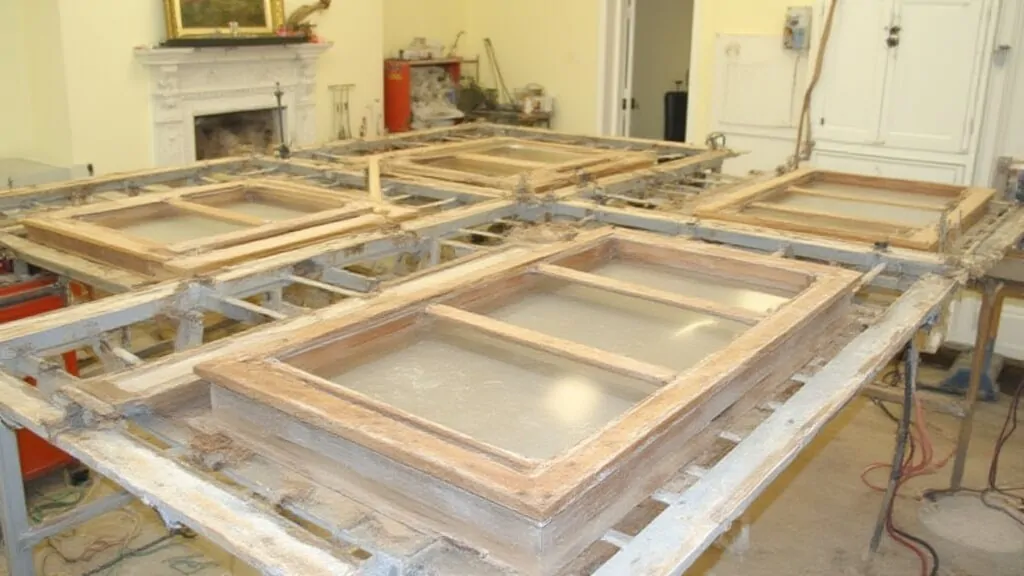
Some repairs need more than filler but less than a full replacement. This middle ground saves money when one piece has failed while the main window unit still operates well. It also keeps older homes from losing character over one bad sill or casing board.
When a Sill Section Can Be Cut Out Cleanly
A sill takes punishment from rain, snow, sun, and poor drainage. When window sill rot affects the outer nose or one end, a partial sill repair can work if the rot has not entered the lower frame or wall cavity. The key is cutting back to square, solid wood.
Use a sharp oscillating tool or handsaw to remove the failed section, then fit a matching wood patch or rot-resistant replacement piece. PVC trim can work on some exterior details, but it should match the house style and allow proper paint lines. On historic homes, wood often looks more natural.
The replacement piece needs slope. A flat patch becomes a tiny shelf for rainwater. Even a clean repair can fail if it lets water sit at the same joint that caused the first problem.
How to Splice Trim So the Repair Disappears
Trim splicing works best when cuts land where the eye expects a joint. A straight vertical cut in the middle of a visible board can look clumsy. A scarf joint or cut placed near an existing corner often blends better after priming and painting.
A second wood window repair mistake is skipping back-priming. Every face of the new piece should be primed before installation, including the back and cut ends. Bare end grain drinks moisture faster than flat wood, which is why many repairs fail at the exact place the saw touched.
Good splices depend on tight fit, exterior-grade adhesive, corrosion-resistant fasteners, and a paintable sealant at the right joints. Do not caulk areas that need to drain. A sealed trap is worse than an open gap when water has nowhere to escape.
Sealing the Repair So Rot Does Not Return
A repaired frame still lives outdoors. It will face wind-driven rain, freeze-thaw cycles, summer heat, and the occasional bad gutter overflow. The finish system has to act like armor without trapping moisture inside the assembly.
Prime, Paint, and Caulk in the Right Order
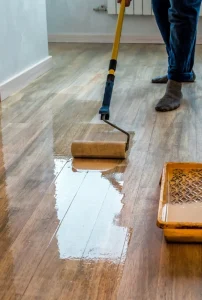
Primer belongs on bare wood before caulk. This surprises people because caulk feels like the sealing step, but many sealants bond better to primed surfaces than dusty, raw wood. Prime first, caulk selected gaps, then paint over the finished joint if the sealant allows it.
Use a high-quality exterior primer and paint made for trim. Thin bargain paint can leave vulnerable edges around profiles, nail holes, and repaired corners. A rotted window frame that has been rebuilt well still needs a paint film that sheds water instead of cracking after one summer.
Caulk only the joints meant to be sealed, such as casing-to-siding gaps or trim joints exposed to rain. Leave weep holes and designed drainage paths open. That small detail can separate a lasting repair from a neat-looking future problem.
Control Water Around the Window, Not Only on the Frame
Gutters, downspouts, sprinklers, and landscaping all shape the life of a window frame. A roof valley dumping water beside one window can overwhelm even a careful repair. So can a sprinkler head that taps the same casing every morning before the sun reaches it.
Exterior window trim repair should include a short inspection beyond the window itself. Check whether mulch is piled against lower trim, shrubs block airflow, or siding channels water toward the opening. The frame may be blamed for a problem the wall system created.
Pre-1978 homes also deserve extra care because old paint may contain lead. Before sanding or disturbing painted surfaces, review the EPA’s lead-safe renovation guidance or hire a certified professional. A cheap repair is not cheap if it spreads hazardous dust through a home.
Knowing When Repair Stops Making Sense
Repair-first thinking is smart, but stubborn repair is not. Some windows are too damaged, too drafty, or too poorly flashed to deserve another patch. The skill is knowing when a focused fix protects your budget and when it delays work that has to happen anyway.
Warning Signs That Point Toward Full Replacement
Full replacement starts to make sense when rot reaches the rough opening, the sash no longer operates, glass seals have failed, or water stains appear inside the wall. At that point, the issue may involve flashing, insulation, siding, and the window unit itself.
The cost math changes when multiple pieces fail together. If the sill, jamb, casing, and interior stool all show damage, patching one visible area may only hide the larger failure. In humid states like Florida, Louisiana, and coastal South Carolina, repeated dampness can also invite mold concerns behind trim.
Here is a repair-first checklist worth using before calling the job done:
- Probe all lower corners, not only the visible damaged spot.
- Confirm the wood is dry before filler or primer touches it.
- Fix the water source before rebuilding the shape.
- Prime every exposed cut end.
- Recheck the repair after the next heavy rain.
That last step matters. A repair that survives real weather earns trust.
When a Contractor’s Opinion Is Worth the Cost
A skilled carpenter or window repair specialist can often save a frame that a replacement salesperson would discard. That is not an insult to window companies. Their business model often points toward replacement, while a trim carpenter may see a smaller path through the problem.
Get help when the damage sits near structural framing, upper-story windows, masonry openings, or old painted surfaces. You should also call a pro when the window leaks during wind-driven rain, because that often points to flashing rather than surface trim.
For deeper planning, connect this repair with related upkeep such as exterior caulking mistakes and drafty window fixes. Small maintenance habits protect the repair long after the tools are packed away. That is the quiet truth of old houses: they reward attention before they punish neglect.
Conclusion
A damaged window frame does not deserve panic, but it does deserve respect. Wood gives warnings before it fails completely, and homeowners who learn those warnings can often avoid unnecessary replacement. The smartest repairs start with patience: probe the damage, trace the water, cut out weak material, rebuild with the right products, and seal the area with care.
Window Frame Rot is manageable when it is local, dry, and separated from deeper framing problems. It becomes expensive when moisture is ignored, filler is smeared over soft wood, or paint is treated like a cure instead of a protective finish. That difference is where money is either saved or wasted.
Walk the outside of your home after the next hard rain and study the windows that stay wet the longest. Those are the frames asking for attention before they ask for replacement.
Frequently Asked Questions
Can rotted window wood be repaired without replacing the entire window?
Yes, local rot can often be repaired when the surrounding wood is firm and the window still works well. The damaged fibers must be removed, the area must dry fully, and the rebuilt section needs primer, paint, and corrected drainage.
How do I know if window frame damage is too deep to patch?
Deep damage usually shows when a screwdriver sinks far into the wood, trim moves, or rot reaches behind the visible frame. Interior stains, soft drywall, or recurring leaks suggest the problem may extend into the wall opening.
What is the best filler for repairing rotted exterior window wood?
Exterior wood epoxy is usually the best choice for shaped repairs because it bonds well, resists weather, and sands cleanly. Standard wall filler, painter’s putty, and cheap spackle are poor choices for exposed outdoor wood.
Why does rot keep coming back after I repair a window frame?
Rot returns when the moisture source remains active. Failed caulk, flat sill sections, clogged drainage paths, bad flashing, sprinklers, or blocked airflow can keep feeding water into the same spot after the repair looks finished.
Is it better to use PVC or wood for a damaged window sill patch?
Both can work, but the right choice depends on the house. PVC resists moisture well, while wood often matches older trim more naturally. Either material still needs proper slope, tight fitting, and careful sealing at joints.
Should I caulk every gap around an exterior window frame?
No, some openings exist to drain water. Seal exposed trim joints and casing-to-siding gaps, but never block weep holes or drainage paths. Trapped water can cause more damage than an open joint that dries properly.
How long should repaired window wood last?
A careful repair can last for years when the wood is dry, the filler is exterior-grade, and the water source has been fixed. Poor drainage or skipped primer can shorten that life to one or two seasons.
When should I call a professional for window rot repair?
Call a professional when damage reaches the wall opening, the window leaks during storms, old paint may contain lead, or the repair sits on an upper floor. A good inspection can prevent a small project from becoming hidden structural damage.