Top Exterior Makeover Ideas for Stylish Homes
A tired exterior does not whisper; it announces itself from the street. Paint that has gone flat, lighting that feels forgotten, and an entry that gives no welcome can make even a solid house feel older than it is. The right Exterior Makeover Ideas change that first impression without turning your home into a loud display. A good update starts with restraint, because the best houses rarely beg for attention; they earn it through proportion, texture, and care. You do not need a mansion budget to create a sharper presence, but you do need a clear eye for what the home is already trying to be. For homeowners thinking beyond surface touch-ups, smart inspiration from trusted home improvement resources and property style insights can help connect design choices with long-term value. The goal is not to copy a trend. The goal is to make the outside of your home feel intentional, current, and unmistakably yours.
Start With the Street View Before Touching the Details
The street sees your home as one composition, not as a list of separate features. That is where many exterior projects go wrong. You may fall in love with a door color, a lantern, or a planter, but the house may need balance before it needs decoration. Strong curb appeal begins when every visible part supports the same visual story.
Build curb appeal from distance first
Curb appeal starts long before someone reaches your walkway. Stand across the street and look at the full shape of the house. Notice whether the garage dominates, whether the entry feels hidden, or whether landscaping blocks the best architectural lines. Distance tells the truth faster than any close-up inspection.
A common mistake is spending money on small upgrades while the main view still feels off. New hardware cannot fix an entry swallowed by shrubs. A fresh doormat cannot rescue a faded facade. Your first move should address scale, sightlines, and contrast, because those choices set the mood for every detail that follows.
One practical test works well: take a quick photo from the curb and view it in black and white. Color distractions disappear, and weak balance becomes easier to spot. If one side feels heavy or the doorway disappears, you have found the real starting point.
Use modern exterior style without chasing every trend
Modern exterior style does not mean stripping the home of character. It means cleaning up what distracts the eye and giving each feature enough room to matter. A brick ranch, a craftsman bungalow, and a suburban two-story all need different treatment, but they all benefit from clearer lines and calmer decisions.
Contrast often does more than ornament. Dark trim against pale siding, warm wood against painted brick, or matte black fixtures against stone can give a home definition without making it feel staged. The trick is choosing one visual direction and staying loyal to it.
Trends become dangerous when they ignore the age and shape of the house. Black windows may look sharp on one home and harsh on another. Oversized house numbers may feel fresh on a clean facade but odd on a cottage with soft detailing. Good taste is not trend refusal. It is trend editing.
Upgrade the Entry So the Home Feels Welcoming
Once the street view makes sense, the entry deserves attention. This is where the exterior becomes personal. A front door, porch light, steps, railings, and plants all work together to tell guests whether the home feels cared for before anyone rings the bell.
Let front porch design carry the first impression
Front porch design should feel useful, not staged for a photo. Even a narrow stoop can become stronger with the right light, a cleaner door surround, and a planter that fits the scale of the entrance. The point is to frame arrival, not clutter it.
A deep porch gives you more room to build atmosphere. Seating can help, but only if it leaves enough space to move. A bench squeezed into a tight corner looks anxious, while two balanced chairs with a small table can make the entry feel settled. Comfort needs breathing room.
Material choice matters here because people see these elements up close. A quality door handle, a crisp threshold, and clean railings speak louder than seasonal decorations. Paint can add charm, but touch points reveal whether the makeover has substance.
Make lighting feel planned, not added later
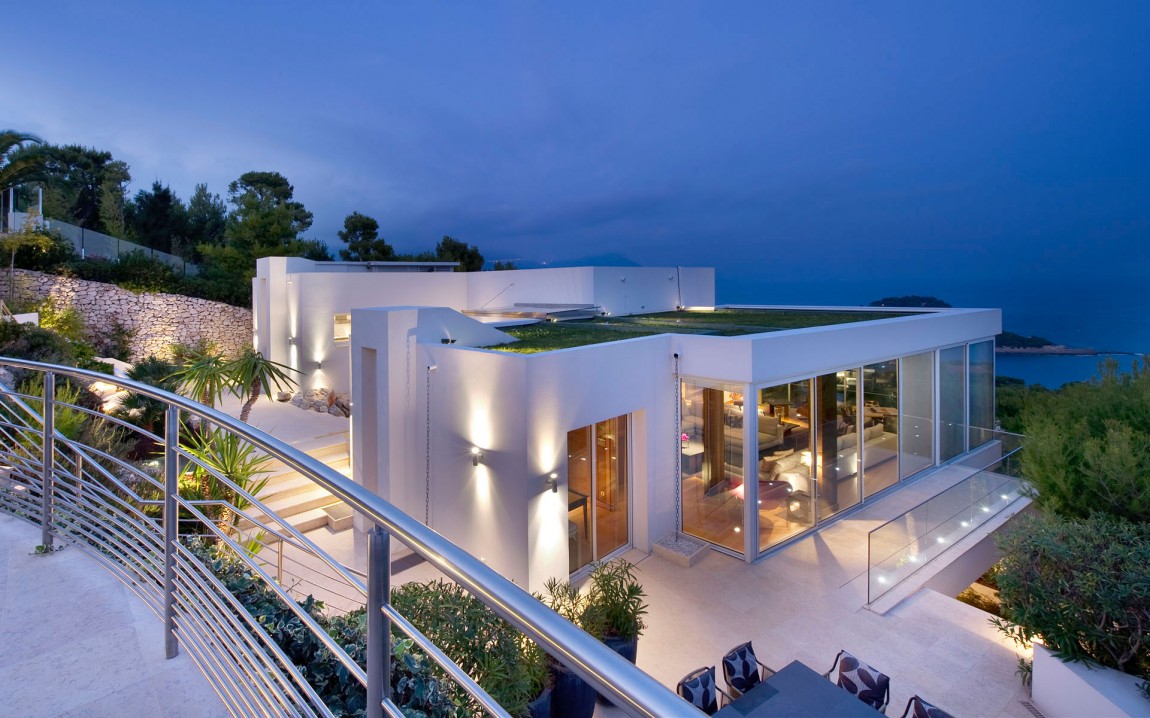
Exterior lighting often gets treated as an afterthought, yet it changes how the home feels every evening. A single harsh bulb by the door can flatten the facade and create shadows in the wrong places. Layered light brings depth, warmth, and safety without turning the house into a showroom.
Start with the entry fixture, then think about the path, steps, and any architectural features worth highlighting. Low walkway lights guide movement, while soft uplighting can show off stone, brick, or mature trees. The goal is glow, not glare.
Scale is the detail homeowners often miss. Tiny fixtures beside a tall door look cheap, even when they are expensive. Choose lighting that matches the height and width of the entry, and keep the finish consistent with other exterior metals. That restraint makes the whole entrance feel designed.
Refresh Surfaces With Color, Texture, and Material Contrast
A stylish exterior does not need endless decoration when the core surfaces look right. Siding, trim, brick, stone, roofing, and hardscape carry most of the visual weight. Change the way those surfaces interact, and the home can feel younger without losing its roots.
Choose color like a permanent decision
Exterior paint has a long memory. A color that looks fun on a small swatch can feel loud across an entire facade, especially under strong sunlight. Better choices usually come from the tones already present in the roof, stone, brick, or surrounding landscape.
Neutrals are not boring when they have depth. Warm white, clay, charcoal, muted green, and soft taupe can all bring character when paired with crisp trim and the right accents. Flat, lifeless beige fails because it has no opinion. A grounded neutral succeeds because it supports the architecture.
This is where Exterior Makeover Ideas often separate smart updates from expensive regret. Test paint on more than one side of the house and check it at different times of day. Morning shade, afternoon glare, and evening warmth can make the same color behave like three different shades.
Add texture where the facade feels flat
Some homes feel dull because every surface has the same finish. Adding texture can solve that problem without adding visual noise. Wood, stone veneer, metal awnings, board-and-batten siding, or brick accents can create depth when used with discipline.
Texture works best when it has a job. Wood around an entry can warm up a plain facade. Stone along a foundation can ground a tall house. Vertical siding can make a squat exterior feel taller. Random texture, on the other hand, looks like a sample board nailed to a wall.
A strong material mix usually stops at two or three main finishes. Beyond that, the eye starts counting instead of enjoying. The house should feel layered, not busy.
Shape the Landscape Around the House, Not Against It
Landscaping should frame the home rather than hide it. Too many yards are treated like separate projects, with plants chosen because they looked good at the nursery. A better approach starts with the house itself and asks what needs softening, framing, or clearing.
Use planting beds to guide the eye
Planting beds can direct attention toward the entry, widen the visual base of the house, and soften hard edges. The mistake is planting everything in a thin line against the foundation. That creates a stiff border instead of a designed landscape.
Deeper beds feel more natural and give plants room to mature. Use taller shrubs near blank walls, lower plants near windows, and repeated shapes to create rhythm. Repetition matters because it keeps the yard from feeling like a collection of unrelated purchases.
Curb appeal improves when the landscape has structure in every season. Evergreens, ornamental grasses, and small trees can hold the design even when flowers fade. Color is lovely, but form carries the yard when color takes a break.
Design outdoor living with privacy and purpose
Outdoor living should not feel like furniture dropped onto leftover space. A patio, deck, or side yard becomes more inviting when it has edges, shade, and a reason to be used. A grill in the sun beside a blank wall rarely becomes a favorite place.
Privacy does not always require a tall fence. A row of small trees, a slatted screen, tall planters, or a pergola can create a sense of enclosure without closing everything off. The best outdoor living spaces feel protected while still connected to the yard.
Think about how the area looks from inside the house as well. A dining area framed by plants can make a kitchen window feel richer. A small seating corner near French doors can turn an unused patch into part of daily life. Good exterior design rewards you from both sides of the glass.
Finish With Details That Make the Makeover Feel Complete
After the big decisions are in place, details decide whether the exterior feels finished or almost finished. This stage is not about adding more. It is about removing friction, fixing weak spots, and choosing small elements that support the larger design.
Match hardware, numbers, and fixtures with restraint
House numbers, mailboxes, door hardware, and railings may seem minor, but they sit in the exact places people notice. Mismatched finishes can make an exterior feel patched together. Matching every piece too perfectly can feel stiff. Aim for coordination, not obsession.
Black, brass, bronze, nickel, and wood can all work, but they need a reason to be there. A warm brass handle may suit a painted door with traditional trim. Matte black might suit a cleaner facade with crisp siding. The finish should echo the home’s character rather than fight it.
Front porch design benefits from this same restraint. A simple mailbox, clear numbers, and one well-chosen door accessory often look better than a crowded mix of wreaths, signs, flags, and seasonal extras. Personality lands harder when it has space.
Keep maintenance visible in the best way
Fresh design fails when maintenance looks neglected. Clean gutters, washed siding, repaired cracks, trimmed trees, and weed-free paths may not sound glamorous, but they affect how every other upgrade reads. People may not notice maintenance when it is done well. They notice instantly when it is ignored.
This is the least flashy part of modern exterior style, yet it may be the most honest. A home with modest materials and sharp upkeep often looks better than a home with expensive upgrades and tired edges. Care has a texture of its own.
Set a simple seasonal routine: wash hard surfaces, check paint touch-ups, prune growth away from windows, and replace anything rusted or broken. These habits keep the makeover alive after the excitement fades. A beautiful exterior is not a one-time event; it is a standard you keep choosing.
Exterior Makeover Ideas work best when they respect the home before trying to improve it. The strongest updates do not shout for attention or chase every passing trend. They clarify the shape, sharpen the entry, choose materials with purpose, and let the landscape support the architecture. A stylish home exterior is not built from one dramatic purchase; it is built from decisions that agree with each other. Start with the view from the street, fix what weakens the first impression, and then layer in color, lighting, planting, and detail with discipline. Your next step is simple: take one clear photo from the curb, mark the three weakest areas, and improve those before spending money anywhere else. A home feels stylish when every choice looks like it belongs.
Frequently Asked Questions
What are the best exterior makeover ideas for small homes?
Focus on scale, clean contrast, and a clear entry. Small homes often look better with crisp trim, uncluttered landscaping, strong lighting, and one confident door color. Avoid oversized features that overwhelm the facade. A small exterior needs clarity more than decoration.
How can I improve curb appeal on a budget?
Start with cleaning, pruning, paint touch-ups, updated house numbers, and better entry lighting. These changes cost less than major construction but quickly improve curb appeal. A neat walkway, fresh mulch, and a painted front door can make the home feel cared for.
What exterior colors make a house look stylish?
Muted, grounded colors tend to age well. Warm white, soft gray, charcoal, olive, taupe, and clay tones can look sharp when paired with the right trim. The best color depends on your roof, brick, stone, and natural light, so always test samples outdoors.
How do I choose a front door color for my home?
Choose a color that supports the whole facade, not one that only looks good online. A dark green, deep blue, black, terracotta, or warm wood finish can work well when it connects with roof tones, landscaping, or trim. The door should stand out without feeling random.
What makes outdoor living spaces feel more inviting?
Outdoor living spaces need comfort, shade, privacy, and a clear purpose. Add seating that fits the area, define the edges with plants or screens, and make the space easy to reach from inside. People use outdoor areas when they feel natural, protected, and practical.
How important is lighting in an exterior makeover?
Lighting changes both safety and mood. A well-lit entry feels welcoming, while pathway lights guide movement after dark. Choose fixtures that match the size of the home and avoid harsh brightness. Soft, planned lighting makes exterior upgrades look richer at night.
Can landscaping make an old house look newer?
Landscaping can make an older home feel fresher by opening sightlines, framing the entry, and softening heavy surfaces. Remove overgrown shrubs first, then add structured beds, layered plants, and clean edges. Good planting helps the architecture look intentional again.
What exterior upgrades add the most visual value?
Paint, lighting, entry improvements, landscaping, and updated hardware usually create the strongest visible change. These upgrades affect the areas people notice first. A garage door refresh, new railings, or repaired walkway can also make a major difference when those features dominate the view.